


Article Directory
A property developer furnishing a batch of serviced apartments once asked us whether one seating piece could work as a living room lounge chair, a bedroom reading seat, and a study break chair without creating an electrical wiring headache. The answer was a manual recliner, not because it is the most luxurious option, but because it is the most adaptable one across spaces. With no motor, no power cord, and no dependence on a nearby outlet, a manual recliner can be placed almost anywhere a chair fits, moved when the layout changes, and operated for years with minimal maintenance. The real work is matching the mechanism, dimensions, and upholstery to the demands of each specific room.
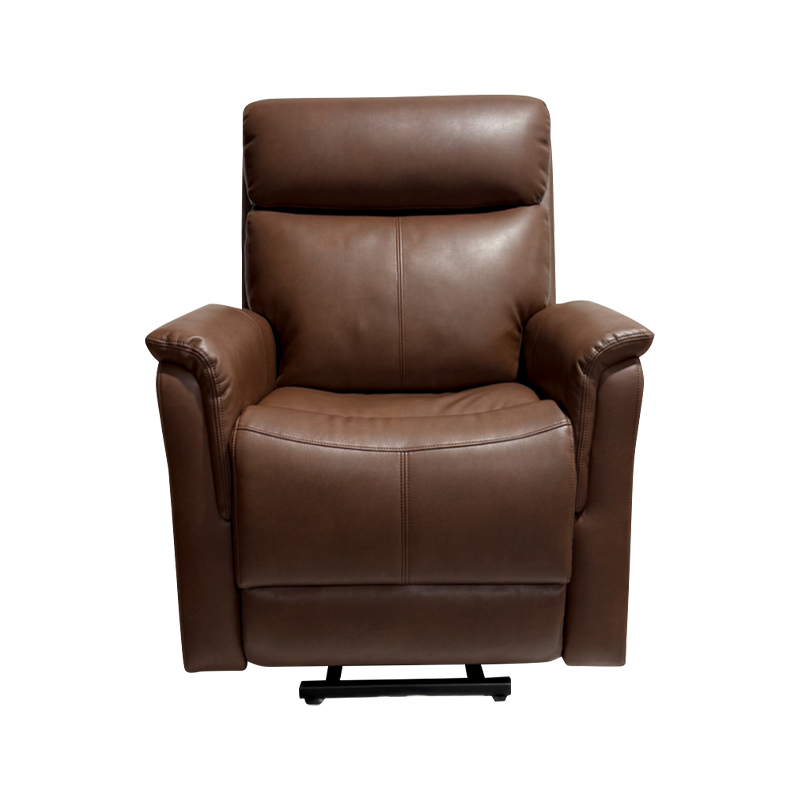
The practical value of a manual recliner starts with its mechanism. Two main types dominate the market. The push-back design lets the user recline by pressing the back against the seat while the feet push forward, which is simple, intuitive, and requires no handle. The lever- or handle-operated design uses a ratchet system that locks the backrest and footrest into a chosen position. Neither approach needs electricity, and both are mechanically simple enough that a well-built frame can serve for a decade or more.
That simplicity creates space flexibility. A manual recliner can sit in a sunroom with no outlet, move to a reading corner when seasons change, or travel inside an RV without adding wiring. It is also lighter than an equivalent power model, which matters when one person needs to shift furniture during cleaning or reconfiguration. Buyers who compare comfort priorities usually land on the same trade-off: you give up push-button adjustment, but you gain freedom of placement, lower upfront cost, and fewer parts that can fail. A closer look at manual recliner mechanics and power comparisons explains why many commercial buyers still select manual models for multi-room orders.
Living rooms remain the most common destination for manual recliners, and for good reason. A recliner gives one household member a dedicated seat for watching television, reading, or napping without taking over an entire sofa. In a family room, a single recliner paired with a loveseat often works better than a large sectional because it lets different people use the same space at different angles of comfort.
Not every living room has the clearance that traditional recliners demand. Wall-hugger designs solve this by allowing the backrest to recline while keeping the chair close to the wall, saving as much as 10-12 inches of floor depth compared with older lever models. Swivel-base manual recliners add another layer of flexibility: the chair rotates so the user can face the television, the window, or a conversation area without dragging the frame across the floor.
For smaller living rooms, a microfiber push-back recliner designed for living rooms is often the most practical pick. Microfiber resists stains and fading, does not become sticky in warm weather like some synthetic leathers, and keeps its appearance in both casual and semi-formal settings.
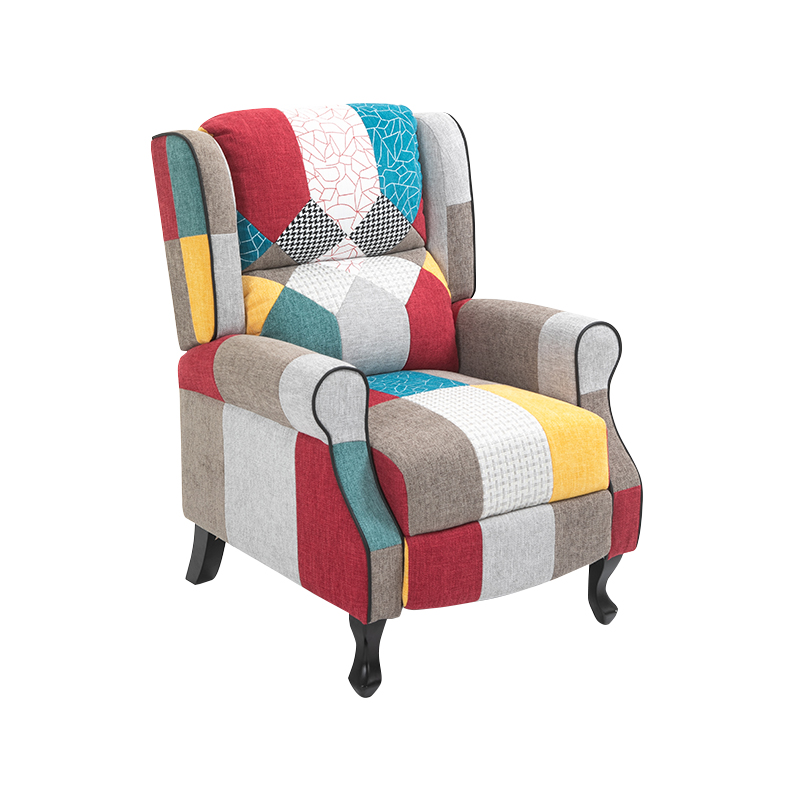 Custom Customized Microfiber Manual Recliner Chair Living Room Push Back Chair Offer Custom Customized Microfiber Manual Recliner Chair Living Room Push Back Chair For Living Room, Anji Hongqiang Furniture Co., Ltd ...View Product →
Daily use changes the material calculation. Families with children and pets should favor microfiber or heavy-duty fabric with a high abrasion rating. Households where the recliner is used mainly for entertaining may prefer PU leather or velvet for their visual warmth. The rule of thumb is the same in every room: choose a cover that matches the amount of traffic the space receives, not just the color palette.
Small apartments and studios force a different kind of decision. With limited square footage, every piece of furniture must earn its footprint, and a manual recliner is one of the few seating options that can serve as both a lounge chair and a spot for resting the legs when paired with a foldout ottoman. The absence of a power cord means the chair can sit against any wall, under a window, or beside a wardrobe without worrying about outlet access.
Research on the optimized design of space for multifunction leisure chairs in small apartments reinforces this approach: compact frames, low-profile arms, and footrests that tuck away allow the chair to read as an accent piece when not in use. In a bedroom, a manual recliner placed near a window becomes a quiet reading corner during the day and a convenient seat for putting on shoes in the morning. In a studio, it can do double duty as the main lounge seat and a guest chair that folds into a flatter position for sleeping.
People who work from home often discover that a static office chair is not enough. Long hours of screen work create the need to change posture frequently, and a manual recliner offers a middle ground between an upright task chair and a full nap couch. You can work upright for an hour, recline slightly during a phone call, and tilt further back on a break, all without unplugging anything.
Manual zero gravity chairs take this further by distributing body weight across a wider surface and reducing pressure on the lower back. The leg rest rises to bring the knees above the heart, using the same principle found in aerospace seating. A fabric manual zero gravity recliner for indoor spaces fits neatly into a home office corner and works well for 15-minute recovery breaks between tasks. Because it has no motor, there is no hum, no power adapter, and no cord running across the floor.
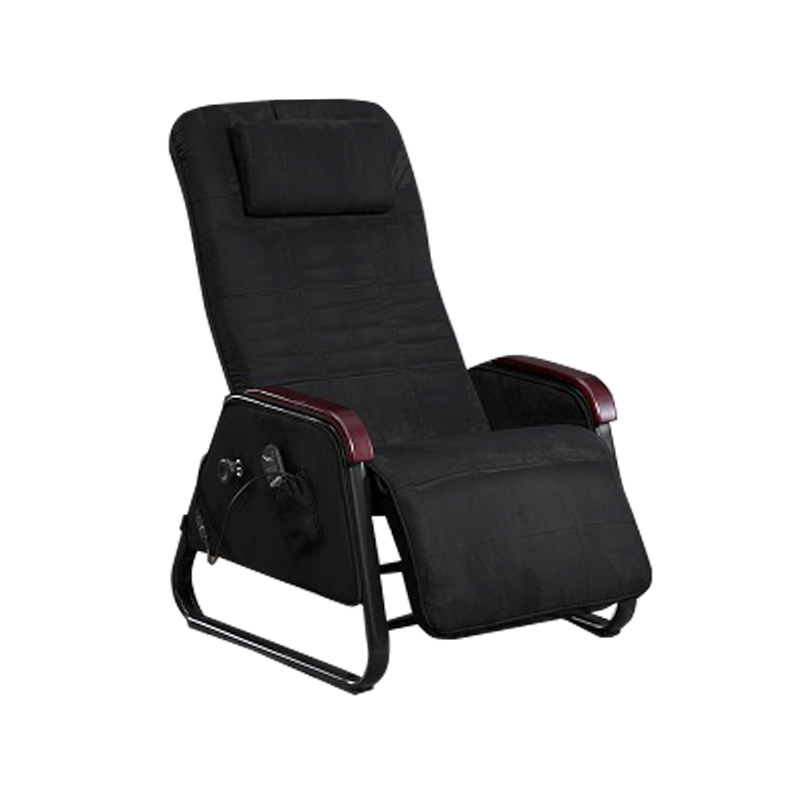 Custom Living Room Fabric Manual Recliner Chair Zero Gravity Chair Suppliers, MaOffer Custom Living Room Fabric Manual Recliner Chair Zero Gravity Chair, Anji Hongqiang Furniture Co., Ltd is China Living Room Fabric M...View Product →
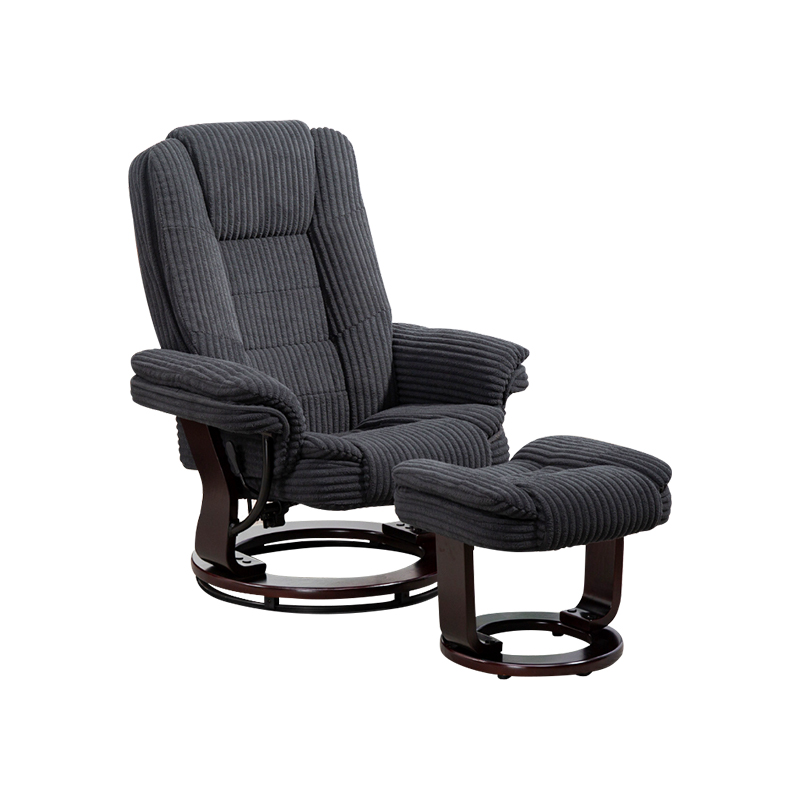
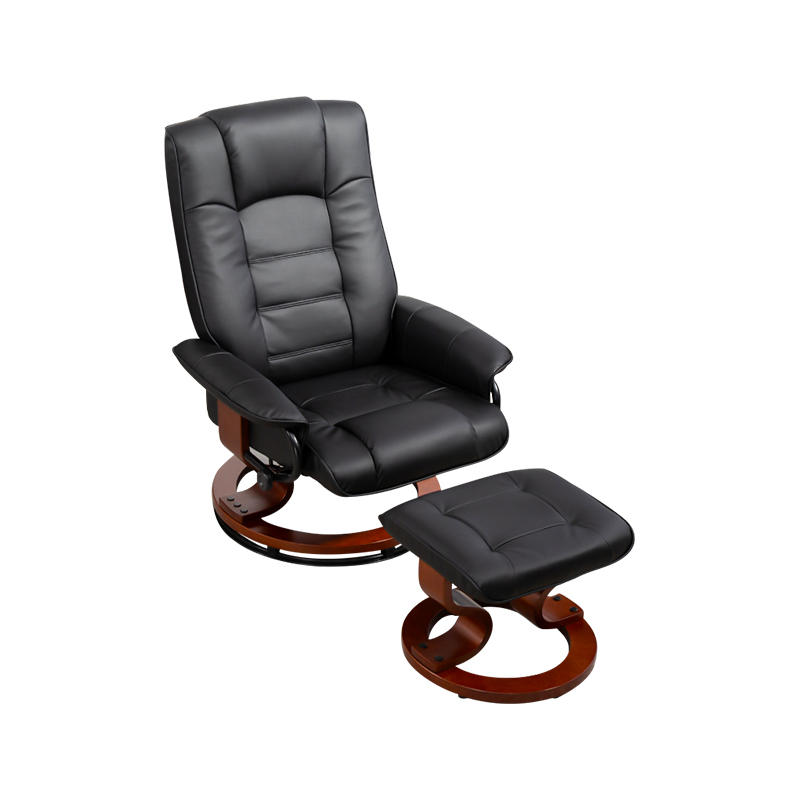
In a home office, a swivel base is not a luxury; it is a functional tool. Rotating from desk to bookshelf to a second screen saves steps and reduces twisting strain. Manual swivel recliners with an attached footrest give the same rotating function as an office chair while adding a leg support position for reading printed documents or taking calls.
Motorhomes and travel trailers impose the strictest constraints of any space: every inch is measured, every pound affects fuel economy, and every electrical outlet is precious. Manual recliners fit this environment better than powered models for three simple reasons:
For RV builders and remodelers, the folding and rotating functions of custom RV euro recliners are particularly useful because they allow a full-size lounge seat to fit into a relatively narrow footprint. The chair can rotate to face the dinette or the entertainment area, then fold partially forward to keep walkways clear.
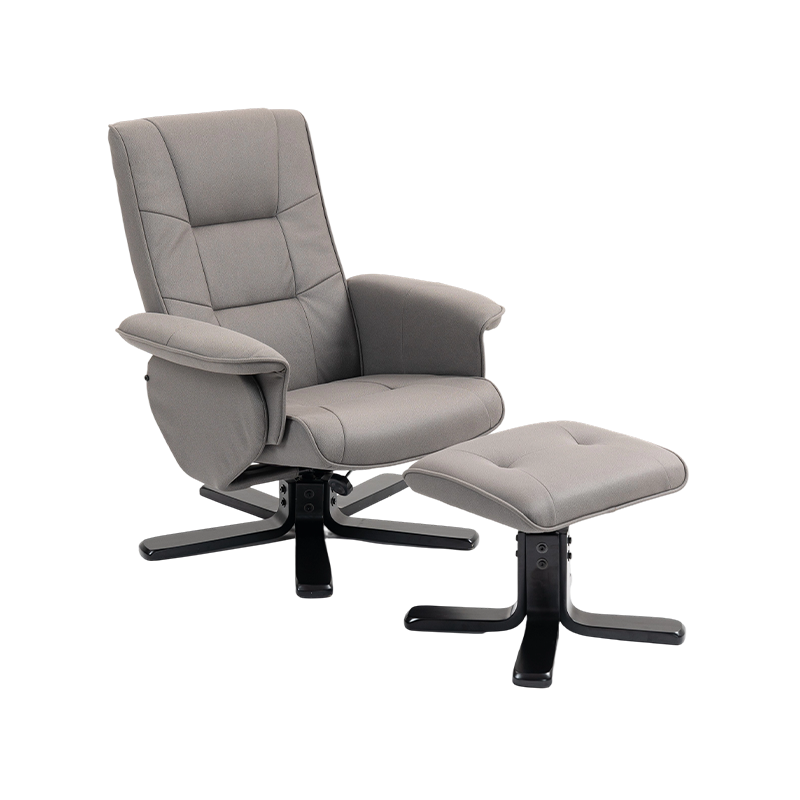
A configuration worth specifying for this application is the manual fabric swivel RV euro recliner with footrest, which pairs a rotating base with a manually adjustable backrest and a matching footrest. Fabric upholstery is commonly preferred in RVs because it breathes better during long drives and does not crack from temperature swings the way some coated leathers can.
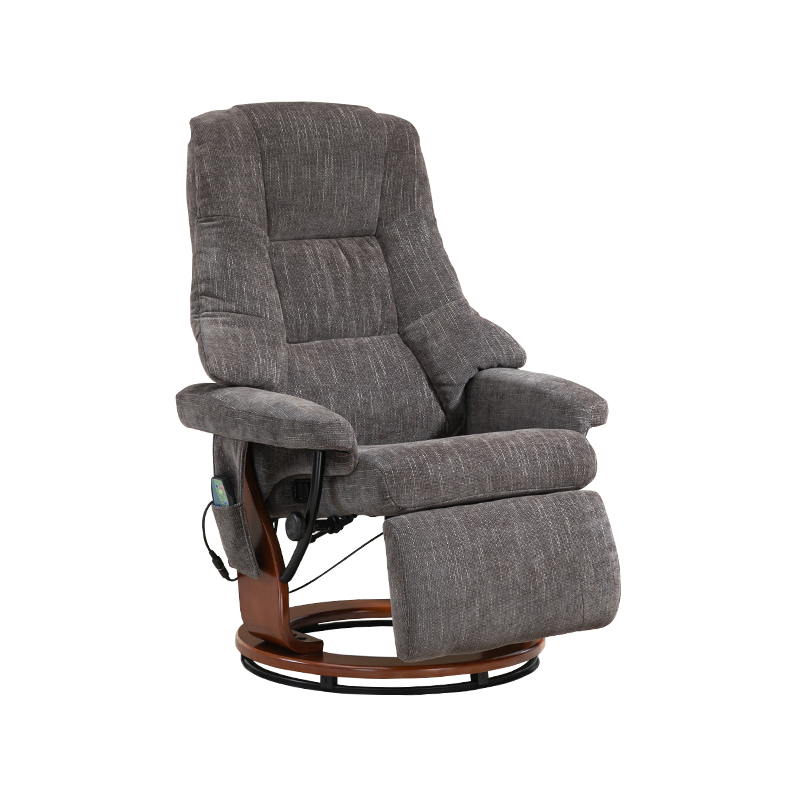 Custom Manual Fabric Swivel Recliner Chair RV Euro Chair with Footrest SuppliersOffer Custom Manual Fabric Swivel Recliner Chair RV Euro Chair with Footrest, Anji Hongqiang Furniture Co., Ltd is China Manual Fabric Sw...View Product →
Manual recliners also perform well in spaces built around entertainment. In a media room, a row of manual recliners can deliver the same recline angle as a powered theater seat at a fraction of the cost and without routing control cables. Gaming rooms benefit from recliners with wider seats and high backs that keep the player supported during long sessions; some models include cup holders and side pockets that add convenience without electricity.
In light commercial settings, such as hotel lounges, serviced apartments, reception areas, and small clinics, manual recliners are chosen because they are easier to clean around, cheaper to replace, and less disruptive to maintain. A lounge chair at a reception desk does not need motorized recline; it needs a robust frame, a stain-resistant cover, and a silhouette that looks intentional rather than medical.
The table below summarizes how room-specific priorities should guide the selection of a manual recliner.
| Space | Primary priority | Recommended configuration | Key consideration |
|---|---|---|---|
| Living room | Daily comfort and durability | Push-back or lever recliner with microfiber upholstery | Allow 6-8 inches behind the chair for full recline |
| Bedroom or studio | Compact footprint | Low-profile recliner with foldout ottoman | Measure the reclined length before ordering |
| Home office | Posture variety | Swivel base with footrest or zero gravity model | Keep the chair within arm's reach of the desk |
| RV or mobile | Weight and clearance | Swivel base with folding back and fabric cover | Confirm aisle clearance in the reclined position |
| Media or gaming | Lateral support | Wide seat with high back and optional cup holder | Check whether the footrest clears low shelving |
In every scenario, the most common mistake is underestimating the space the chair occupies when fully reclined. A manual recliner can extend 15-20 inches beyond its upright depth, and buyers should measure the open position, not the closed one.
For importers, brand owners, and hospitality buyers, the question is not just which chair suits which room, but which factory can produce several configurations with consistent quality. Because manual recliners share the same structural core of frame, foam, reclining mechanism, and upholstery, a single supplier with adjustable production lines can build push-back chairs for the living room, swivel models for the office, and folding designs for RVs under one purchase order. This consolidates freight, simplifies quality audits, and makes it easier to match fabric and color across product lines.
Customization matters more with manual recliners than many buyers expect. Seat depth and foam density determine whether the chair feels supportive for a 30-minute sit or a two-hour nap. Upholstery selection affects abrasion resistance, breathability, and compliance with flammability standards in different markets. Even the type of reclining mechanism, ratchet, push-back, or lockable, varies by region and by expected daily use. A manufacturer that documents these choices and offers sampling before mass production reduces the risk of costly returns.
Knock-down construction is another factor worth considering for bedrooms, apartments, and RVs. KD frames and foldable backs reduce shipping volume by as much as a third, which lowers landed cost and makes the product easier for end users to move through narrow doorways. Export-oriented factories near major ports handle this type of production routinely, and a supplier that can pack the same chair either assembled or KD gives buyers a useful negotiating lever on freight.
Manual recliners will not replace power furniture in every room, and they are not meant to. What they offer is placement freedom, mechanical simplicity, and a lower cost per seat. For living rooms, compact apartments, home offices, RVs, media rooms, and light commercial interiors, that combination is hard to beat. The key is to select the mechanism, size, and upholstery according to the specific demands of each space, and to source from a manufacturer that can deliver consistent quality across all of them.

+86-13819261237

+86-572-5082270

sales@ajhqfurniture.com

Factory Building 2, No. 11, Sangang Road, Sunshine District 2, Anji Economic Development Zone, Dipu Street, Anji, Huzhou, Zhejiang, China
Copyright © 2022 Anji Hongqiang Furniture Co., Ltd.Custom Euro Style Convertible Single Functional Recliners Manufacturers



 English
 Español