


Article Directory
A buyer once asked why two manual recliner chairs with the same silhouette could feel completely different after six months of use. The frame flexed, the recline angle lost its lock, and the foam flattened. The difference was not in the design sketch; it lay in production standards. For a manual recliner chair, production standards determine how long the mechanism stays smooth, how much weight the frame carries, and how consistently the chair performs after repeated use.
Before discussing specific measurements, it helps to understand how mechanism choice affects comfort and durability. Our manual recliner chair mechanism and comfort buying guide explains the trade-offs between push-back and ratchet-style mechanisms. The same logic applies to production standards: each mechanism type requires different tolerances and testing.
The frame is the skeleton of a manual recliner. Export-grade recliners commonly use kiln-dried hardwood or engineered wood with a moisture content between 8 and 12 percent. Plywood used in curved back panels and side panels should be at least 12 mm thick for a single-seat recliner. Joints need double dowels, screws, or metal brackets at stress points instead of staples alone. A simple bench test is to sit on the front edge of the seat and press down; a weak frame will creak or twist before the mechanism moves. At production level, frames are tested with a static load of at least 100 kg on the seat and 30 kg on the backrest before upholstery.
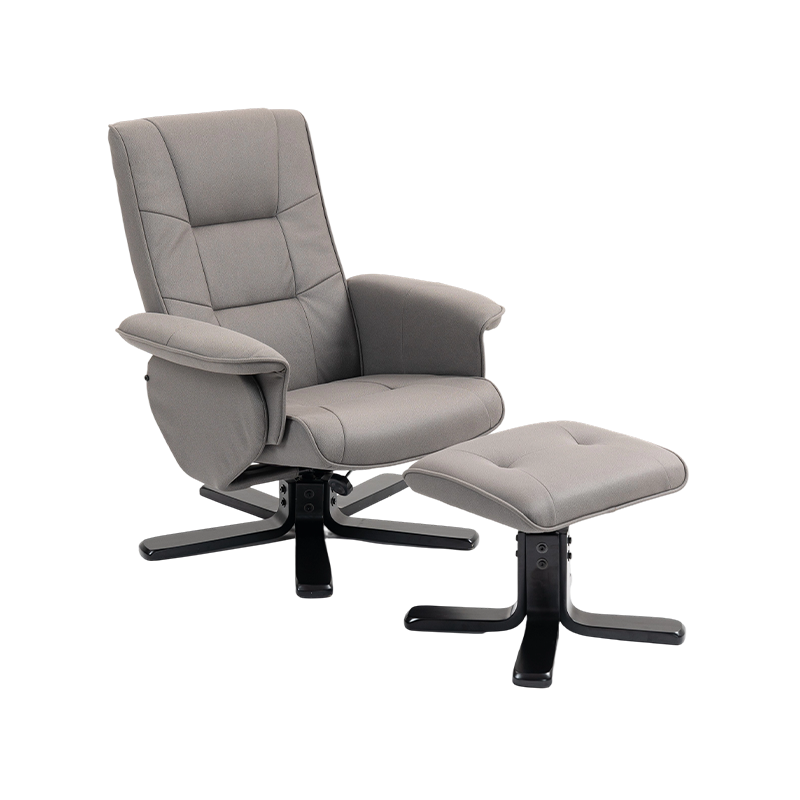
Manual recliners rely on a push-back or a tilt-and-lock mechanism. The steel gauge, spring tension, and lock design define the feel and the lifespan. The mechanism should be tested to 50,000 recline cycles without losing its locking function, and the steel should be rust-protected for coastal climates or RV use. Swivel bases require the same weight capacity as the chair and should rotate smoothly without premature wear. Even bolts and rivets matter; they should be zinc-plated or stainless to avoid corrosion after shipping. A product such as our manual fabric swivel recliner chair with footrest still has to meet these frame and mechanism requirements before it is offered to wholesale buyers.
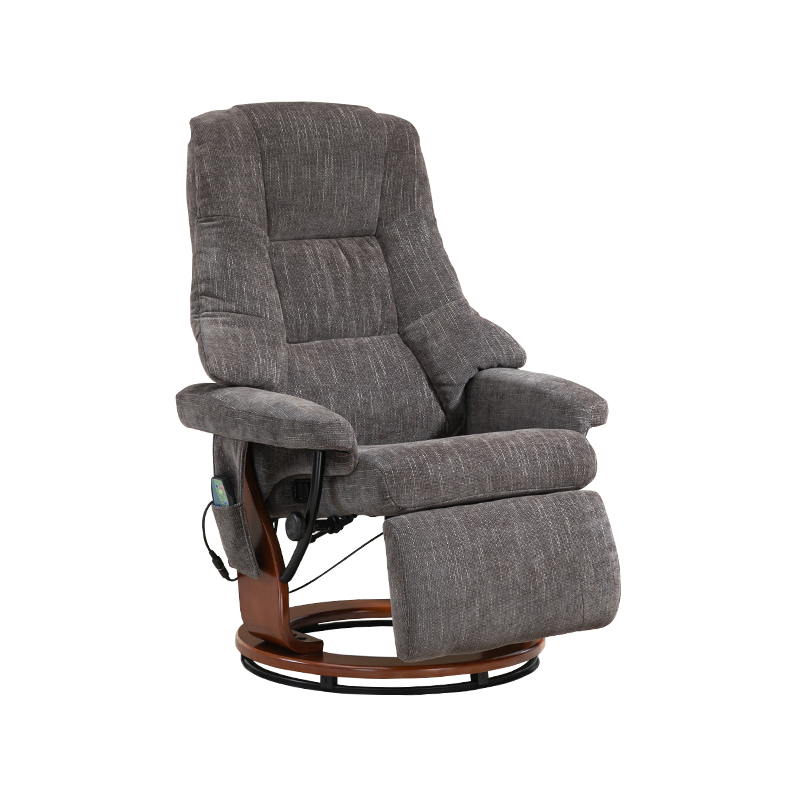 Custom Manual Fabric Swivel Recliner Chair RV Euro Chair with Footrest SuppliersOffer Custom Manual Fabric Swivel Recliner Chair RV Euro Chair with Footrest, Anji Hongqiang Furniture Co., Ltd is China Manual Fabric Sw...View Product →
Seat foam is the component that fails most visibly in low-cost recliners. High-resilience polyurethane foam with a density of 25–35 kg/m³ is a common baseline for seat cushions, while backrest foam can be slightly softer. The foam should have a minimum 90% recovery after compression; otherwise, the cushion will develop a permanent hollow. Fabric performance matters too: a standard abrasion requirement is 30,000 Martindale cycles for household upholstery, and 50,000 cycles for heavier commercial use. Seam strength and the type of thread also affect whether a chair survives a container journey and years of daily use.
The table below summarizes the key production parameters that a factory should be able to document for a standard manual recliner.
| Component | Recommended standard | Why it matters |
|---|---|---|
| Frame timber | Kiln-dried hardwood, 8–12% moisture content | Prevents warping and joint failure after shipping |
| Seat foam | 25–35 kg/m³ density, high resilience | Reduces sagging and maintains comfort |
| Reclining mechanism | 50,000 cycle test | Confirms recline lock and smooth operation |
| Upholstery fabric | Abrasion resistance of at least 30,000 Martindale cycles | Predicts wear in daily home or commercial use |
Standards only become meaningful when the production line follows them. In an export furniture factory, quality control starts when raw material arrives and does not end until the container is loaded.
Every batch of leather, fabric, foam, plywood, and steel should be checked against a reference sample. Foam is measured for density and indentation force deflection; fabric is checked for color fastness, grain direction, and tearing strength. Suppliers who skip this step often discover defects during final assembly, when rework costs are already high.
Upholstery panels are cut with a tolerance of plus or minus 2 mm. Seams are reinforced, and patterns are aligned at the center of the seat and back. During assembly, workers test the manual mechanism before the backrest is attached to ensure the recline angle falls within the specified range and that the chair stays in position when the user leans back. Torque settings on bolts are controlled so the frame remains tight during transport. For simple push-back designs, such as our customized microfiber manual push back recliner chair, the tolerance on recline force is especially important because users expect a smooth, quiet motion without the assistance of a motor.
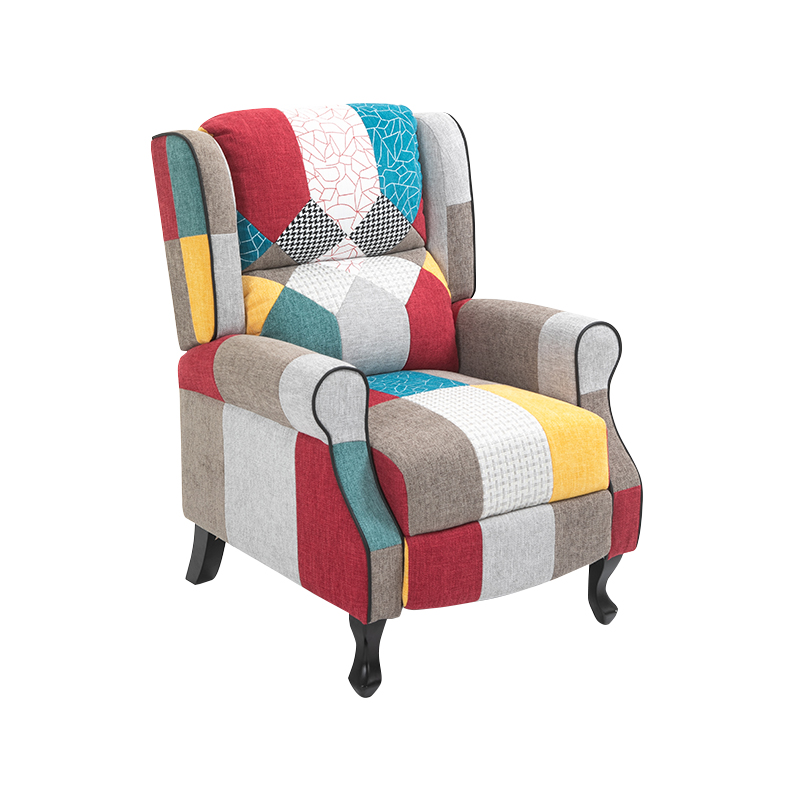 Custom Customized Microfiber Manual Recliner Chair Living Room Push Back Chair Offer Custom Customized Microfiber Manual Recliner Chair Living Room Push Back Chair For Living Room, Anji Hongqiang Furniture Co., Ltd ...View Product →
Before packing, each manual recliner should receive a function check: recline action, return action, swivel if applicable, footrest locking, and stability on level ground. Random samples are then pulled for weight-load tests and packaging drop tests. The goal is not to make one chair that works, but to make every chair in the container behave the same way. This is where production standards create real commercial value: fewer customer complaints, fewer returns, and fewer chargebacks.
Manual recliners exported in bulk are often designed as KD (knock-down) or foldable-back units to reduce freight volume. KD construction raises another production standard: every bracket, cam lock, and screw must be precisely aligned to tolerances so the end user can assemble the chair without forcing parts. Packing should include edge protectors, corner boards, and a carton test that simulates a one-meter drop. A chair that passes a function test but arrives with a crushed corner or a broken leg is still a failure.
When you source manual recliner chairs from overseas, production standards need to be verified before production, not discovered after a claim arrives. A written specification is useful, but it has to be backed by evidence.
Knowing the difference between a robust mechanism and a weak one helps during supplier evaluation. Our manual recliner chair mechanics troubleshooting and comparison guide covers the common failure points we see in imported chairs, and it is a useful reference when you are checking samples.
Many B2B buyers also use third-party inspection companies to check production against the agreed standard. A pre-shipment inspection typically covers upholstery alignment, mechanism function, frame stability, and packaging condition. That inspection report is only useful if your order has a clear specification in the first place.
Production standards are not a marketing phrase; they are measurable decisions about materials, tolerances, and testing. For B2B buyers, the practical shortcut is to work with a factory that can show you how frames are built, how mechanisms are cycle-tested, and how finished goods are inspected.
At Anji Hongqiang Furniture, we have spent more than a decade producing manual recliners for export markets, focusing on stable frames, consistent mechanisms, and packaging that protects the product in transit. Our range includes swivel recliners, push-back chairs, and manual zero gravity recliner chairs built through the same controlled process. If you are evaluating a supplier, ask for the numbers behind the product, not just the product photos.
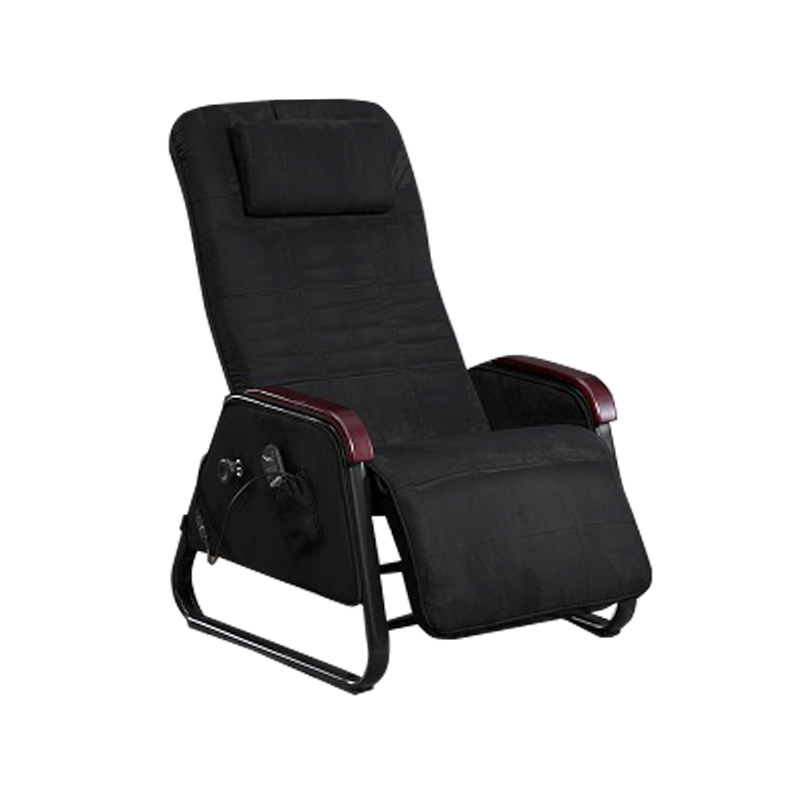 Custom Living Room Fabric Manual Recliner Chair Zero Gravity Chair Suppliers, MaOffer Custom Living Room Fabric Manual Recliner Chair Zero Gravity Chair, Anji Hongqiang Furniture Co., Ltd is China Living Room Fabric M...View Product →
For a deeper look at how comfort and durability are balanced during the design phase, see our article on balancing comfort and durability in manual recliner design. That design intent only works if the factory can hold production standards from the first piece to the last.
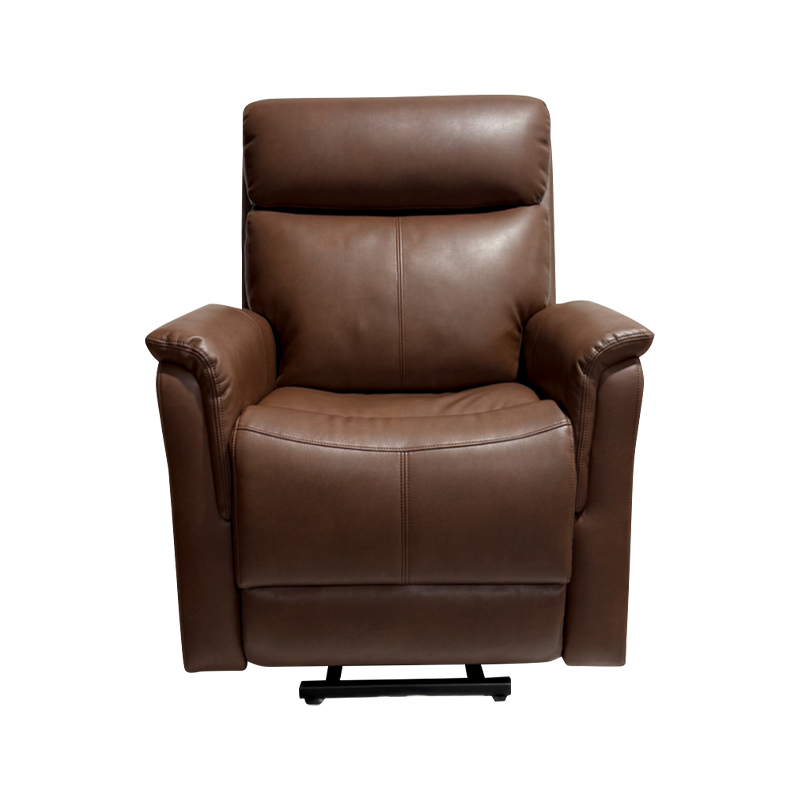
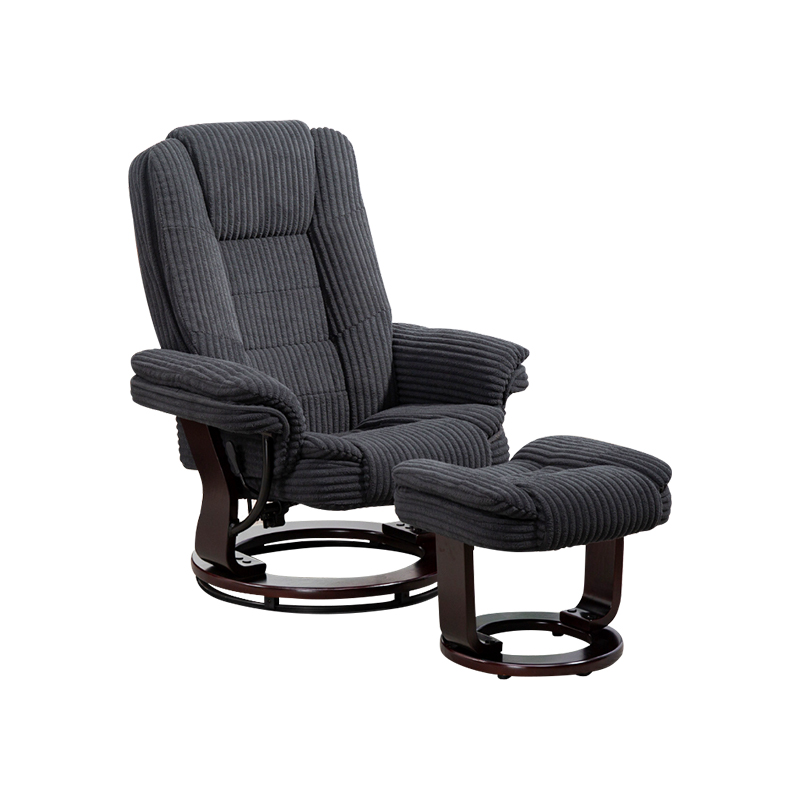
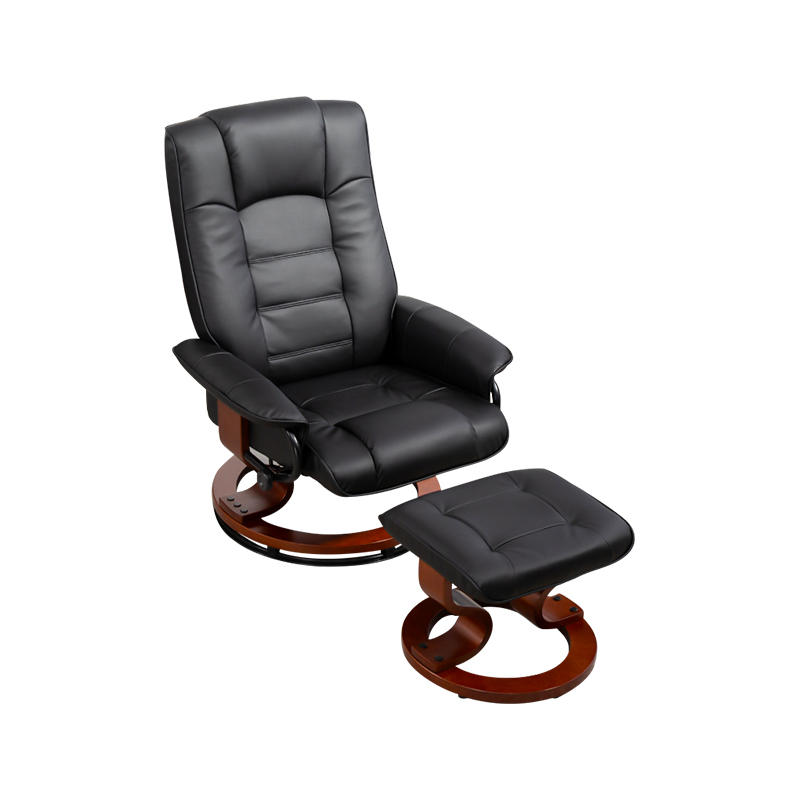

+86-13819261237

+86-572-5082270

sales@ajhqfurniture.com

Factory Building 2, No. 11, Sangang Road, Sunshine District 2, Anji Economic Development Zone, Dipu Street, Anji, Huzhou, Zhejiang, China
Copyright © 2022 Anji Hongqiang Furniture Co., Ltd.Custom Euro Style Convertible Single Functional Recliners Manufacturers



 English
 Español