


Article Directory
For B2B buyers procuring seating, the core question transcends aesthetics: Does the chair's internal engineering provide the necessary lumbar and overall support for long-term comfort and durability? A high-quality swivel manual recliner chair is a fusion of mechanical precision and material science, where filling density, fabric performance, and structural ergonomics are meticulously balanced.
At Anji Hongqiang Furniture Co., Ltd., established in 2012, we specialize in exporting a wide range of seating solutions, including push-back, power recliner chairs, and more, serving over 500 countries worldwide. Our 10,000 square meter facility, with its advanced production lines, ensures that every product, including the versatile swivel manual recliner chair, is built on a foundation of strict technical standards designed to meet the rigorous demands of wholesale and contract projects.
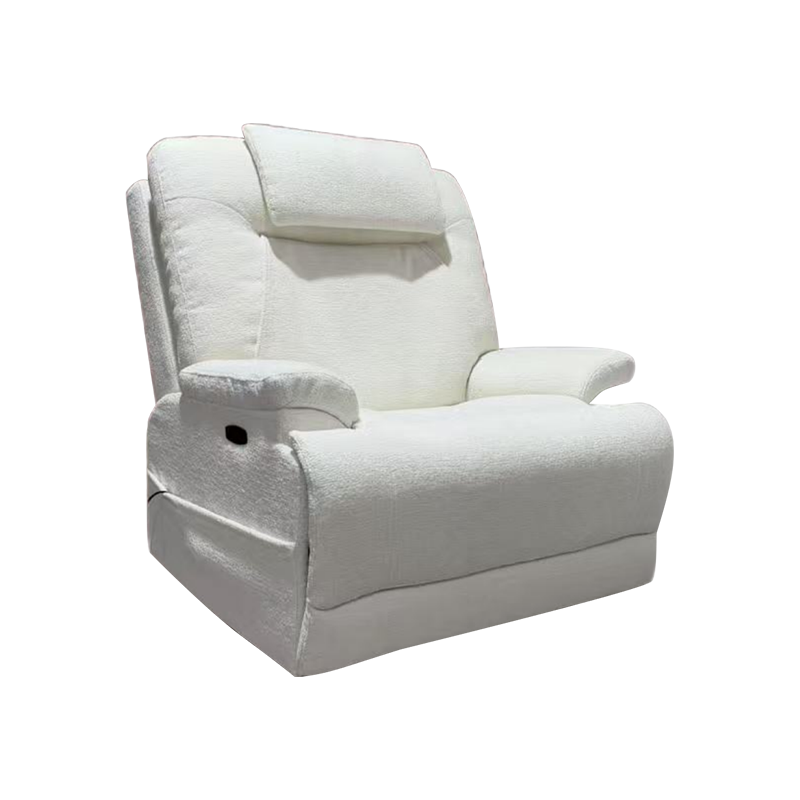
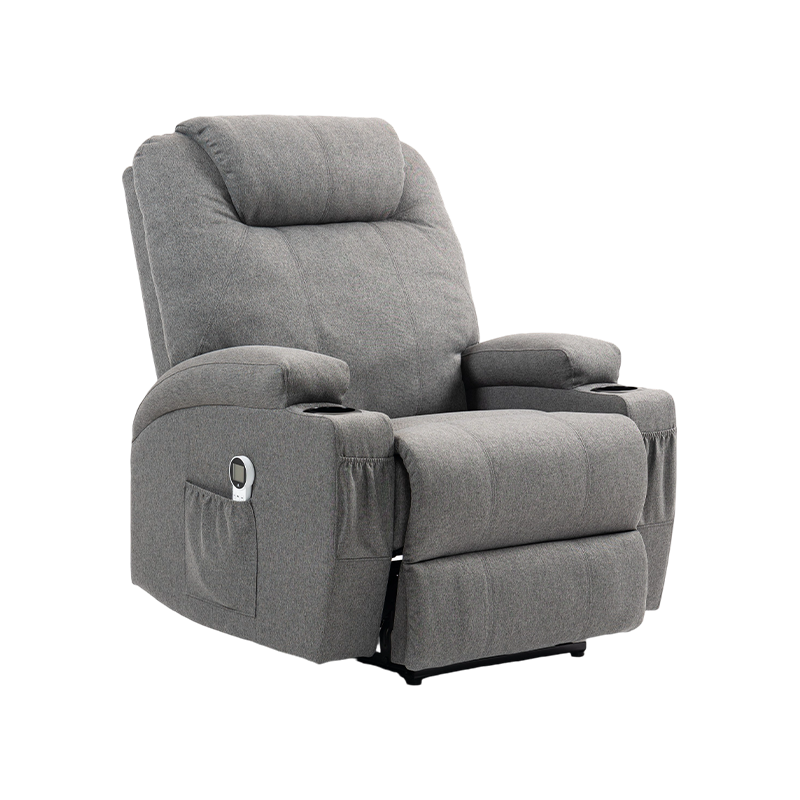
Oversized Electric Riser Chairs Zero Gravity Chairs with Massage Function
The core of a recliner's support comes from its cushion filling. This is where material density dictates both the immediate comfort (initial 'sink') and long-term structural integrity. Procurement must focus on density metrics, not just thickness, to ensure performance.
Foam density is typically measured in standard industry units. High-Density (HD) foam, generally meeting or exceeding a density of 2.5 pounds per cubic foot (equivalent to 40 kilograms per cubic meter), offers superior support and is essential for achieving commercial-grade longevity. Standard foams tend to compact rapidly, leading to 'bottoming out' and premature sag.
When analyzing high-density foam versus fiberfill recliner support, it is clear that while fiberfill (Dacron or polyester batting) adds a desirable initial softness, it cannot provide the structural support for the lower back and hips that high-density foam delivers. A premium chair integrates HD foam in the core structural areas and uses fiberfill as a wrapper for comfort layering.
The comparison below illustrates why HD foam is non-negotiable for B2B long-term value:
| Filling Material | Density/Resilience Metric | Support Capability (Long-Term) | Ideal Usage Area |
|---|---|---|---|
| High-Density Foam (HD) | 2.5 pounds per cubic foot or higher | Excellent: Maintains thickness and support contour for years. | Seat Core, Primary Lumbar Section |
| Standard Polyurethane Foam | 1.5 to 1.8 pounds per cubic foot | Poor: Compresses quickly, leading to loss of support and structure. | Residential Use Only (Entry-Level) |
| Polyester Fiberfill (Dacron) | Low Density (Soft Loft) | Minimal: Used for surface softness and loft appearance only. | Armrests, Back Wings, Foam Wrapping |
True ergonomic support in a swivel manual recliner chair is achieved when the internal structure and foam contours work synergistically to maintain the natural S-curve of the spine—especially in the reclined position.
Effective ergonomic lumbar support in swivel recliner chairs is often non-adjustable in manual models but must be perfectly contoured. This is achieved by strategically layering high-density foam or using a specific internal webbing system that pushes forward slightly at the L3-L5 vertebral level. An optimally designed chair will distribute body weight evenly, eliminating pressure points that cause fatigue.
Furthermore, the design of the headrest, particularly when considering the optimal seating angle for manual swivel recliners, is crucial. The headrest must cradle the neck and head in both the upright and fully reclined position, preventing forward head posture or "pecking" that strains the cervical spine.
The selected upholstery fabric is the frontline of durability, directly impacting the chair's lifespan and maintenance requirements. B2B buyers must prioritize fabrics that meet high-level abrasion and pilling standards.
The industry benchmark for fabric durability is the abrasion test (Martindale for Europe/Asia, Wyzenbeek for North America). These standards measure the number of rubbing cycles a fabric can withstand before showing significant wear. This is a crucial metric for setting technical specifications for recliner chair upholstery abrasion for high-traffic environments.
When selecting materials, the technical performance of synthetic fabrics often exceeds that of natural materials in high-use contexts, though leather offers superior perceived value and maintenance ease.
| Material Type | Typical Abrasion Resistance (Double Rubs) | Maintenance Requirement | Air Permeability (Comfort) |
|---|---|---|---|
| Polyester Microfiber/Technical Fabric | 50,000+ | Low (Easy to clean, stain resistant) | Moderate to High |
| Top-Grain Leather | 20,000+ (Depends on finish) | Moderate (Requires periodic conditioning) | Moderate (Breathable) |
| Vinyl/PU Leather | 30,000+ (Prone to cracking over time) | Low (Wipe clean) | Low (Poor) |
As a manufacturer specializing in exporting furniture supplies for 12 years, Anji Hongqiang understands that B2B relationships demand flexibility and certified quality. With convenient transportation just 3 hours from Shanghai and Ningbo Ports, we offer streamlined logistics for global distribution.
We actively support customized design of fabrics, structures, and sponges, allowing procurement teams to precisely control cushion density—guided by the B2B guide to recliner chair cushion density—and select fabrics that meet the required technical specifications for recliner chair upholstery abrasion. This commitment to customization ensures that the final swivel manual recliner chair not only looks good but meets the exact ergonomic and durability parameters of the project.
The superior support offered by a recliner is a direct result of specialized material selection and ergonomic engineering. Procurement professionals must look beyond surface appeal, focusing on the high-density foam core, the precisely contoured lumbar section, and the certified abrasion resistance of the fabric. Anji Hongqiang Furniture Co., Ltd. welcomes friends from all over the world to visit our company and cooperate with us, ensuring you receive furniture built on the basis of long-term mutual benefits, driven by superior technical specifications.
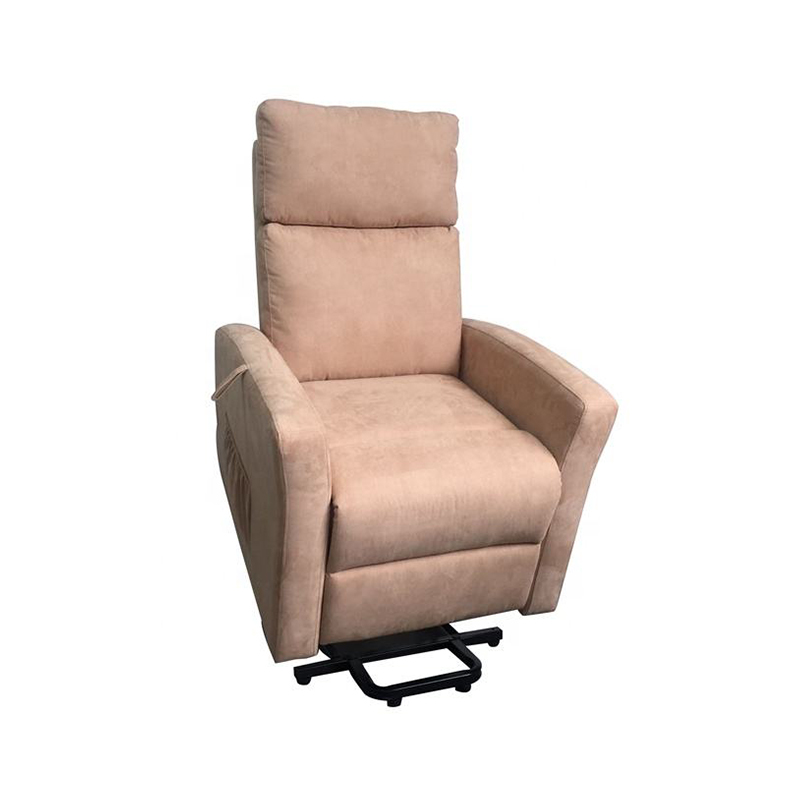
For long-term, commercial-grade support, specify a minimum foam density of 2.5 pounds per cubic foot for the seat cushion and main back support. This aligns with the advice in the B2B guide to recliner chair cushion density and prevents premature sagging.
No, a properly engineered swivel manual recliner chair utilizes a heavy-duty steel base and mechanism that maintains full structural integrity and support regardless of the swivel position. The base components are designed to handle both the load and the dynamic movement without compromising the chair's support properties.
The recommended minimum abrasion resistance for heavy-duty commercial use, as per technical specifications for recliner chair upholstery abrasion, is 50,000 double rubs (Martindale or Wyzenbeek), though many B2B projects specify 100,000+ for maximum lifespan.
The manual recline mechanism allows the user to find their own optimal seating angle for manual swivel recliners. A well-designed mechanism provides incremental locking positions, ensuring stable, full-body support at every desired angle, from upright to fully laid-back.
High-density foam provides a firm, resilient, and structurally supportive feel, crucial for core support. Fiberfill, in contrast, provides a softer, plush, initial "sink" feeling, often used in outer layers for comfort, but it lacks the necessary rigidity for long-term ergonomic support.

+86-13819261237

+86-572-5082270

sales@ajhqfurniture.com

Factory Building 2, No. 11, Sangang Road, Sunshine District 2, Anji Economic Development Zone, Dipu Street, Anji, Huzhou, Zhejiang, China
Copyright © 2022 Anji Hongqiang Furniture Co., Ltd.Custom Euro Style Convertible Single Functional Recliners Manufacturers



 English
 Español