


Article Directory
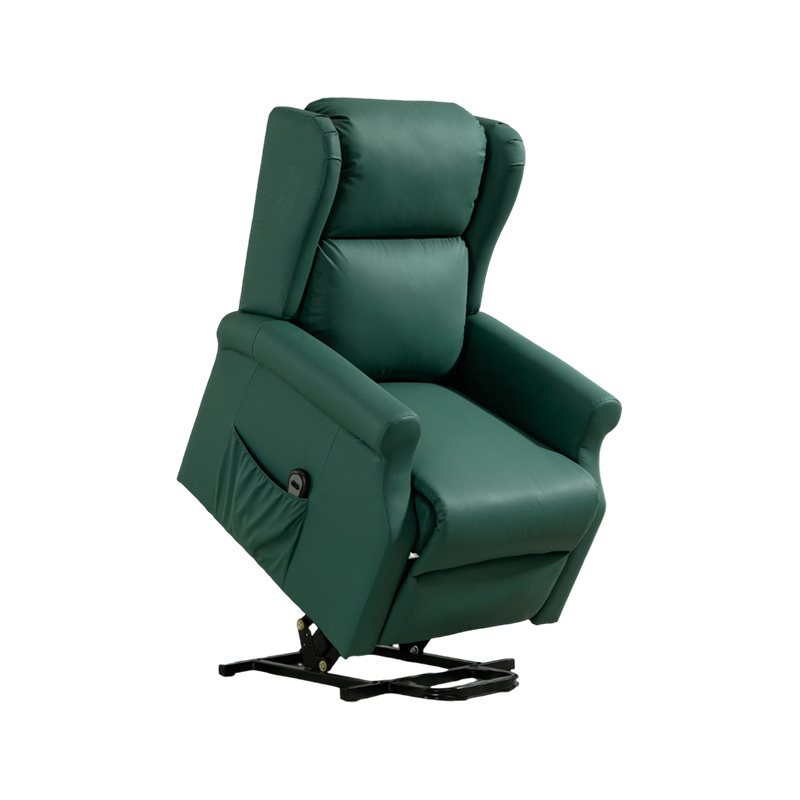
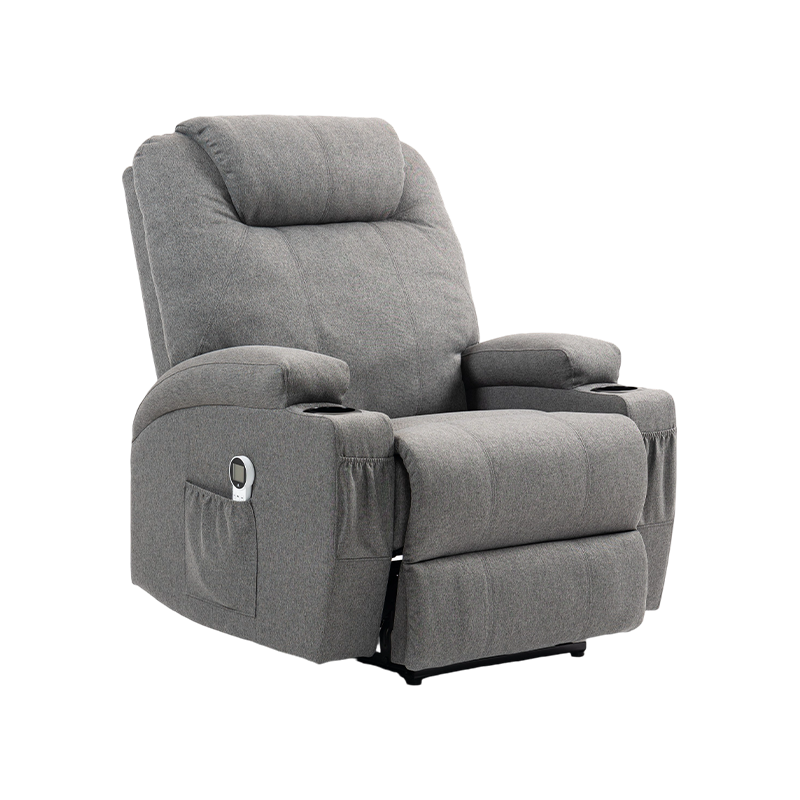
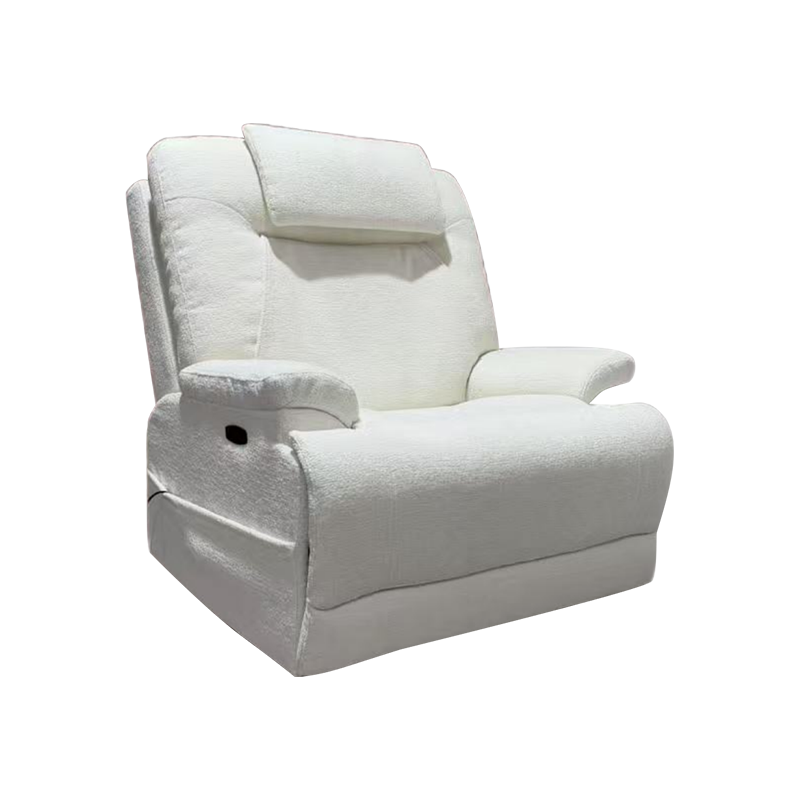
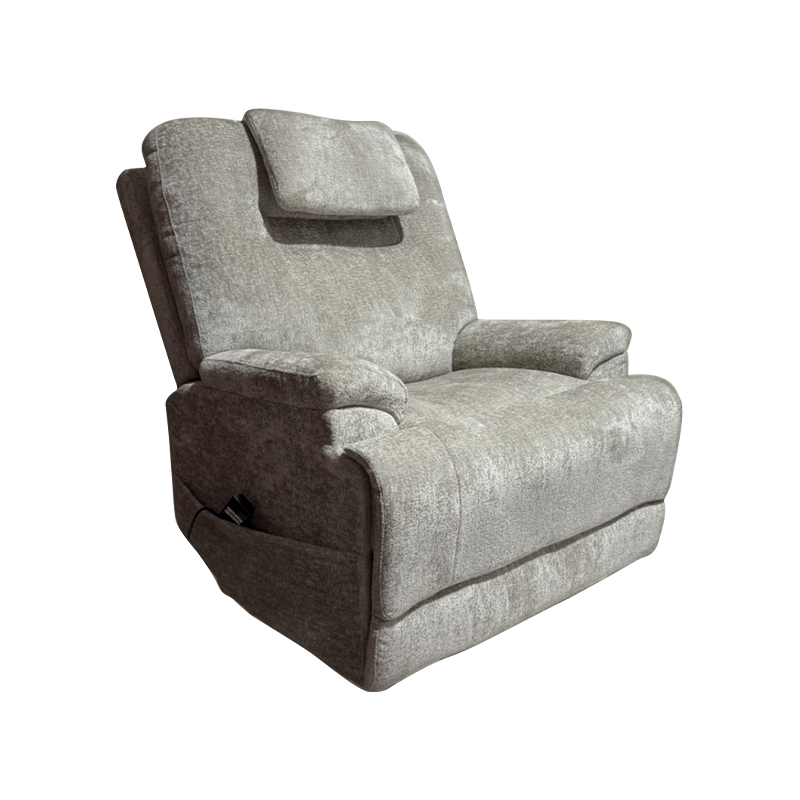
In modern residential planning, spatial efficiency is a critical engineering constraint. When integrating a Electric Power Lift Recliner into limited environments, the primary technical challenge is accommodating the arc of motion during the transition from a seated position to full recline. A "Wall-Hugger" mechanism is specifically engineered to slide forward on its base rail, significantly reducing the rear-ward displacement compared to traditional designs.
Anji Hongqiang Furniture Co., Ltd., established in 2012 in Anji County, Zhejiang Province, specializes in the production and export of high-performance seating solutions. Operating within a 10,000 square meter facility, the company implements advanced production lines and strict management systems to produce power recliners, lift chairs, and zero gravity chairs. With 12 years of experience, Anji Hongqiang supports customized electric recliner for limited living areas, ensuring that fabric selection, sponge density, and steel frame structures meet international quality standards for over 500 countries.
The core difference in wall-hugger vs standard power recliner clearance lies in the pivot point of the backrest. Standard recliners require the backrest to tilt backward into the space behind the chair, often necessitating a 300 mm to 500 mm gap from the wall. In contrast, a wall-hugger Electric Power Lift Recliner utilizes a forward-sliding track. This mechanical bypass allows the chair to achieve full extension with a minimum wall clearance for power lift chairs as low as 100 mm to 150 mm.
For engineers and interior designers, identifying the minimum wall clearance for power lift chairs is vital to prevent structural damage to the wall surface or the motor assembly. While a 100 mm clearance is technically feasible for the backrest, additional Electric power lift recliner dimensions for small spaces must account for the lift function. When the chair rises to assist the user in standing, the base must remain stable to prevent tipping, requiring a calculated center of gravity shift.
The full extension length of power recliners—measured from the top of the headrest to the tip of the footrest—usually ranges between 1650 mm and 1850 mm. To perform an accurate motorized recliner footprint calculation, one must sum the seat depth, the extension stroke, and the mandatory safety gaps. This ensures that even in small living rooms, the footrest does not obstruct pathways or collide with other furniture units during the zero gravity lift chair mechanism specifications cycle.
The structural integrity of a power lift system is dictated by its metal chassis. Anji Hongqiang ensures that the power lift recliner weight capacity and frame durability meet rigorous load-bearing tests, typically supporting up to 150 kg (330 lbs). The use of alloy steel with a powder-coated finish ensures a high Ra surface finish and resistance to oxidation.
When evaluating dual motor vs single motor lift chair space requirements, it is noted that dual-motor systems allow independent control of the backrest and footrest. While this increases the complexity of the internal wiring, it does not significantly increase the external footprint. It does, however, provide more precision in how to measure recliner space requirements for specific user ergonomics, as the back can remain vertical while the feet are elevated.
| Feature Specification | Wall-Hugger Model | Standard Lift Model |
| Rear Wall Clearance | 100 mm - 150 mm | 300 mm - 500 mm |
| Seat to Footrest Extension | 500 mm - 600 mm | 500 mm - 600 mm |
| Mechanism Type | Forward-sliding Track | Fixed-pivot Recline |
| Drive System | Linear Actuator (DC 24V) | Linear Actuator (DC 24V) |
Anji Hongqiang Furniture Co., Ltd. provides customized design of fabrics and sponges (typically high-resilience foam with a density of 30-35 kg/m3) to balance comfort with long-term tensile strength. For B2B clients, the company also supports customized packaging and logo designs, facilitating seamless integration into diverse global markets. By optimizing the internal frame, they offer a Electric Power Lift Recliner that maximizes seating area while minimizing the external chassis dimensions.
What is the minimum wall clearance for a wall-hugger power recliner?
For most wall-hugger models, a 100 mm to 150 mm (4 to 6 inches) clearance is sufficient for full recline, though 150 mm is recommended for safety.
Does a lift chair require more space than a standard recliner?
While reclining, it requires less space if it is a wall-hugger. However, during the "lift" phase, the chair moves upward and slightly forward, so clear floor space in front of the chair is necessary.
Can the Electric Power Lift Recliner be used with a battery pack?
Yes, most models support optional 2500mAh lithium-ion battery backups to ensure operation during power outages, which is a critical safety feature for lift chairs.
What fabric is best for high-frequency use in lift chairs?
High-tensile polyester blends or treated leathers are recommended for their high Martindale abrasion resistance (typically exceeding 30,000 rubs).
How do I measure my room to ensure the chair fits?
Measure the total length of the chair at full extension length of power recliners and add 200 mm for total operational clearance.
1. ISO 7173: Furniture — Chairs and stools — Determination of strength and durability.
2. UL 962: Standard for Household and Commercial Furnishings (Motorized Furniture Safety).
3. BIFMA X5.4: Public Seating Technical Standards and Safety Requirements.

+86-13819261237

+86-572-5082270

sales@ajhqfurniture.com

Factory Building 2, No. 11, Sangang Road, Sunshine District 2, Anji Economic Development Zone, Dipu Street, Anji, Huzhou, Zhejiang, China
Copyright © 2022 Anji Hongqiang Furniture Co., Ltd.Custom Euro Style Convertible Single Functional Recliners Manufacturers



 English
 Español