


Article Directory
A projector, a large screen, and a surround sound system can be perfect, but if the seats are wrong, the whole experience collapses. Many home theater owners realize this only after the first long movie night: shoulders are tight, the neck hurts, or the footrest hits the seat in front. The ideal recliner chair for home theater use solves these problems before they happen.
The short answer is that the ideal home theater recliner is not simply the most luxurious model on the market. It is the one that respects the dimensions of your room, supports your body during a three-hour film, works quietly, and survives the snacks, spills, and wear that come with regular viewing. Once you evaluate each of those factors, the right recliner becomes much easier to identify.
Start with the room, not the chair. A recliner that is comfortable in a showroom can feel completely wrong when placed between two other recliners or close to a back wall. The ideal home theater recliner should fit the space and the viewing layout without forcing you to compromise on legroom or line of sight.
For a row of home theater seating, seat width is the first number to check. Most single recliner seats are built around 21 to 24 inches of sitting width, but the overall width varies with armrests and consoles. If you plan to place three recliners side by side, measure the full width of each unit, not just the seat.
Recline clearance is just as important. When the footrest extends and the backrest tilts, the front of the seat moves forward. In a typical setup, you need at least 18 inches between the front edge of a reclined seat and the back of the seat in front of it. For people taller than average, increase that distance to 24 inches. Otherwise, the first time someone reclines during a movie, the person in front will feel the pressure on their backrest.
For a tighter room, look for recliners with a smaller reclining radius or a wall-hugger design. These chairs use a mechanism that slides the seat base forward instead of driving the backrest far into the wall. If you are working with limited space, you can apply the same principles described in our space-saving electric recliner arrangement guide.
Traditional recliners need 4 to 6 inches of clearance from the wall behind them. Wall-hugger models reduce that to about 2 inches, which makes a real difference in a dedicated theater room. Aisle space matters too. Leave at least 24 inches between rows for comfortable movement, and more if you expect people to walk past reclined seats during a pause.
Once these measurements are clear, you can move on to the mechanism, the material, and the level of comfort.
Neither manual nor power recliners is universally better. The right choice depends on how the room will be used, how much wiring you want to manage, and whether you prefer a simple lever or a full range of seating positions.
A manual recliner uses a push-back or release mechanism that lets the user recline by shifting their body weight. There is no motor, so the operation is silent during a movie and does not require an electrical outlet nearby. Manual models also tend to have fewer moving parts, which means less that can go wrong over time.
For a basic home theater or a media room used mainly for casual viewing, a manual unit can be the ideal balance of comfort and simplicity. Some manual recliners also work well in rows because they do not need a cable running between seats.
Power recliners give each viewer independent control over the backrest and footrest. Some models offer memory positions, USB charging, massage, and heat. In a family theater, this is useful because one person can sit nearly upright while another fully reclines without affecting the other seat.
Motor noise is the main concern. A well-built power recliner should operate smoothly and quietly, usually below the level of normal dialogue or a quiet soundtrack. If the motor hums loudly or sounds strained, it will distract from the experience. Before buying, check the motor specifications and read testing notes from the manufacturer.
| Feature | Manual Recliner | Power Recliner |
|---|---|---|
| Adjustability | Limited to a few reclining positions | Independent back, footrest, and headrest positions |
| Noise | Silent | Quiet motor, but quality varies by model |
| Power required | None | Needs an outlet or a low-voltage power supply |
| Maintenance | Simpler mechanism | More moving parts and periodic motor checks |
| Best for | Budget builds and simple installations | Long movies, multiple seating positions, massage, and USB |
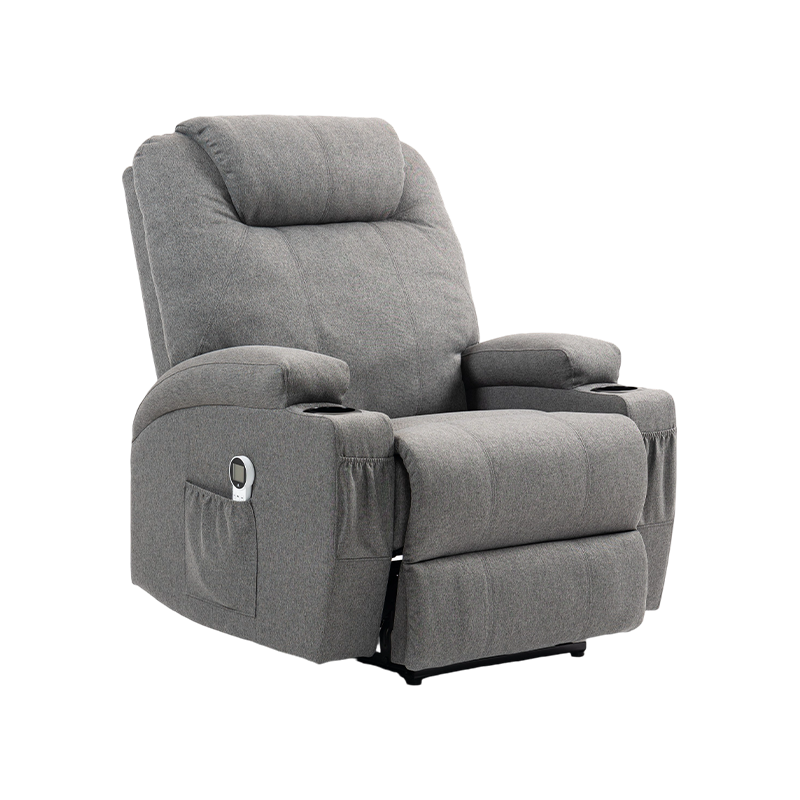
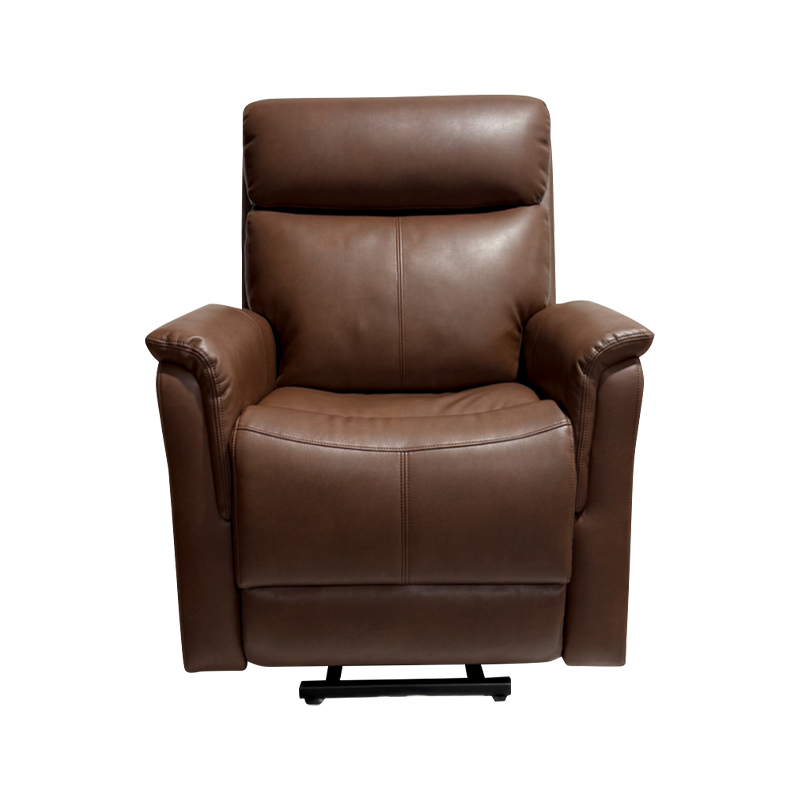
If you know you will spend four hours at a time watching a series or hosting movie nights, a power model is usually the more comfortable option. For a more detailed breakdown of the choice, refer to our electric recliner chair guide. And if you want independent movement plus massage, an adjustable power recliner with massage function is worth putting on your shortlist.
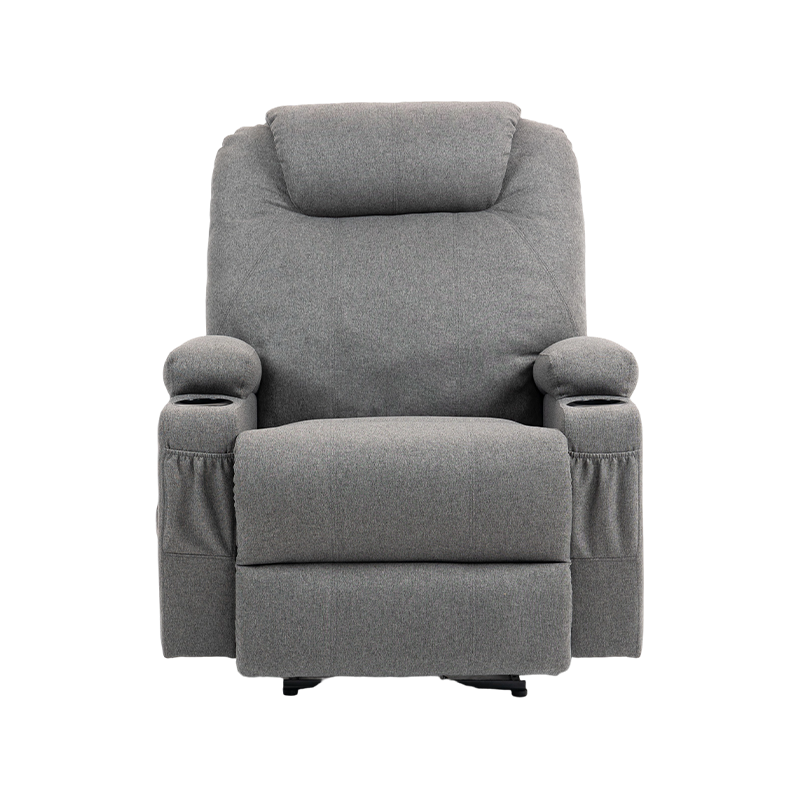 Adjustable Electric Recliner Sofa with Massage & Heat - B2BWholesale supplier of adjustable electric recliners with integrated massage, heat, and USB charging. Engineered for durability in commerc...View Product →
Material choice is a decision you will live with for years. In a dark room, the chair needs to feel good and look good under low light. More importantly, it must handle the realities of snacks, drinks, pets, and daily use.
Microfiber is one of the strongest choices for a home theater. It resists moisture better than many natural fabrics, cleans easily with a damp cloth, and feels soft without trapping as much heat as velvet. High-density microfiber also handles the friction of repeated reclining motion better than cheap synthetic fabrics.
Standard fabric recliners have the advantage of breathability. If your room has limited air conditioning, fabric will feel more comfortable during a summer marathon. The downside is that light-colored fabric can show stains from soda and popcorn butter. Choose a darker tone or a stain-resistant finish if the seats will get heavy use.
Leather and PU leather give a home theater a more polished, cinema-like appearance. They are easy to wipe down, and they tend to wear well if the material is thick enough. However, PU leather can become sticky in a warm room, and some lower-grade faux leathers develop surface cracking after a few years.
If you select leather, check the material specification rather than relying on the name. A good PU leather with a strong backing, or a split leather with a durable coating, can be the ideal surface for a media room. We explain the trade-offs in more detail in our recliner material and fabric selection guide.
For buyers who want a dedicated home theater seat with a practical surface and strong lumbar support, a home theater seating push-back recliner with lumbar support combines high-density sponge, PU leather, and a footprint that works in a media room.
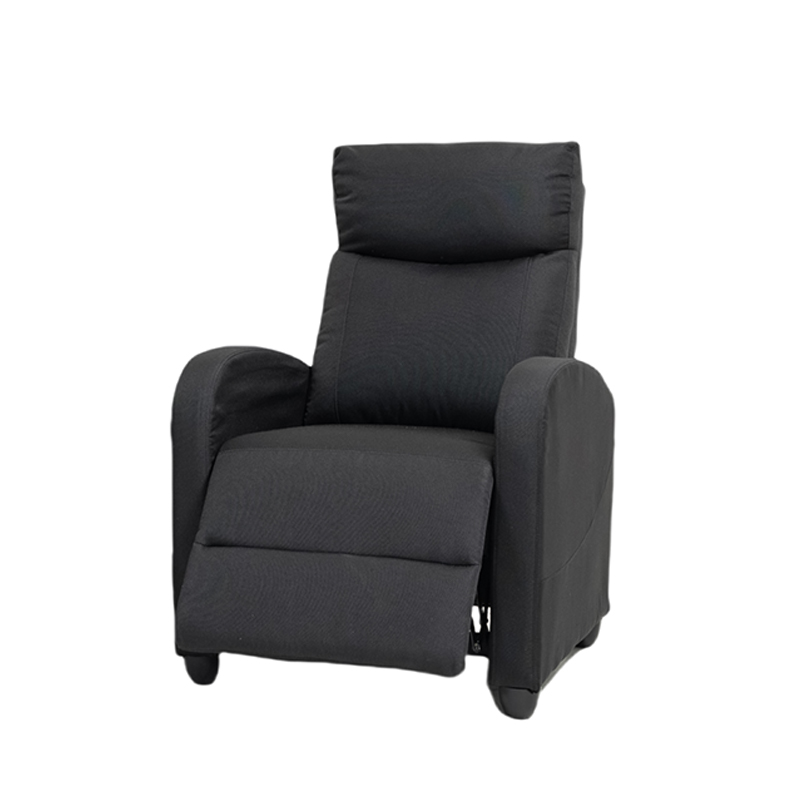 Custom Recliner Chair PU Leather Recliner Sofa Home Theater Seating with Lumbar Offer Custom Recliner Chair PU Leather Recliner Sofa Home Theater Seating with Lumbar Support Overstuffed High-Density Sponge Push Reclin...View Product →
Comfort is not only about soft padding. It is about how well the seat holds your body in a natural position while you watch a screen. A recliner that is too soft feels nice for ten minutes and then causes lower back fatigue. One that is too firm may feel supportive but never fully relaxing.
The ideal home theater recliner should support the full length of your spine, including the head and lumbar area. A headrest should keep your neck aligned rather than pushing your head forward. Lumbar support should feel firm enough to prevent slumping, but flexible enough to let you shift positions during a long film.
Foam density is a key indicator of durability. High-density foam holds its shape after hundreds of hours of use, while low-density foam develops a permanent sag. For theater seating, look for foam that bounces back quickly and is thick enough to cushion the hip and thigh area without bottoming out.
Home theater recliners often include cup holders, side pockets, and USB ports. These features are practical, but they should not add so much width that you cannot fit the planned number of seats. A slim console with two cup holders and one USB port is usually more useful than a large armrest with storage that wastes space.
Massage and heat are popular add-ons, but they are not essential for a good viewing experience. In fact, the hum of a massage motor can interfere with a quiet movie scene. If you want massage capabilities, choose a model that lets you turn the function completely off and use only the standard recline mechanism.
Seating affects more than comfort. It affects how the room sounds and how well each viewer sees the screen. The ideal home theater recliner works with the room geometry instead of against it.
A high backrest can block or reflect sound from surround speakers, especially if the speakers are placed close to or behind the seating row. In a small theater, a medium-height back and a separate headrest are easier to align with speaker heights. If you prefer a tall back for neck support, make sure the ceiling and side surround speakers are positioned above and slightly behind the listener, not directly behind the chair back.
In a room with two or three rows, the back row needs to sit higher than the front row so that each viewer’s eyes are above the head of the person in front. A common rule is to raise each successive row by 8 to 12 inches. When the seats recline, the distance between rows becomes even more important. The front row should be far enough away that a fully extended footrest does not reach the rear row.
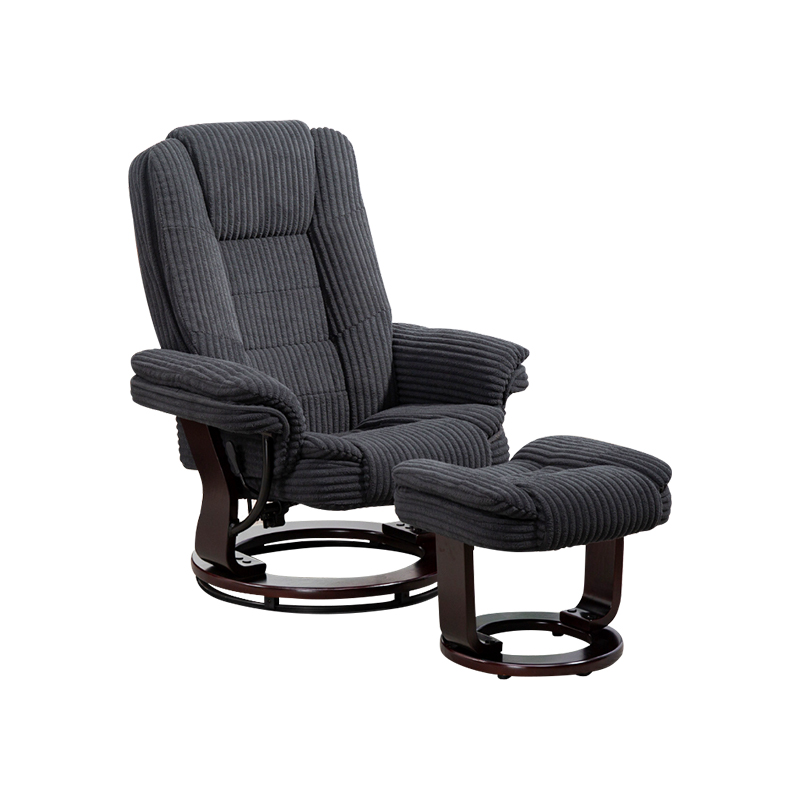
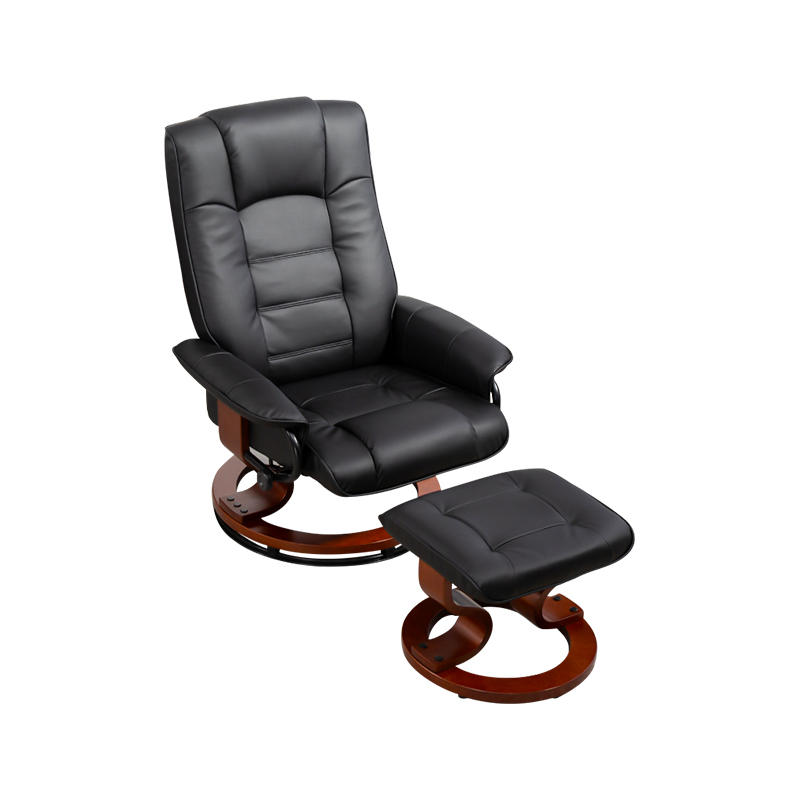
For a flexible seating arrangement, individual recliners give you more control than a giant sectional. If you want a single seat that can rotate slightly toward a conversation area or a side table, a theater-style swivel manual rocker recliner is a practical option. It lets each user change orientation without moving the whole row.
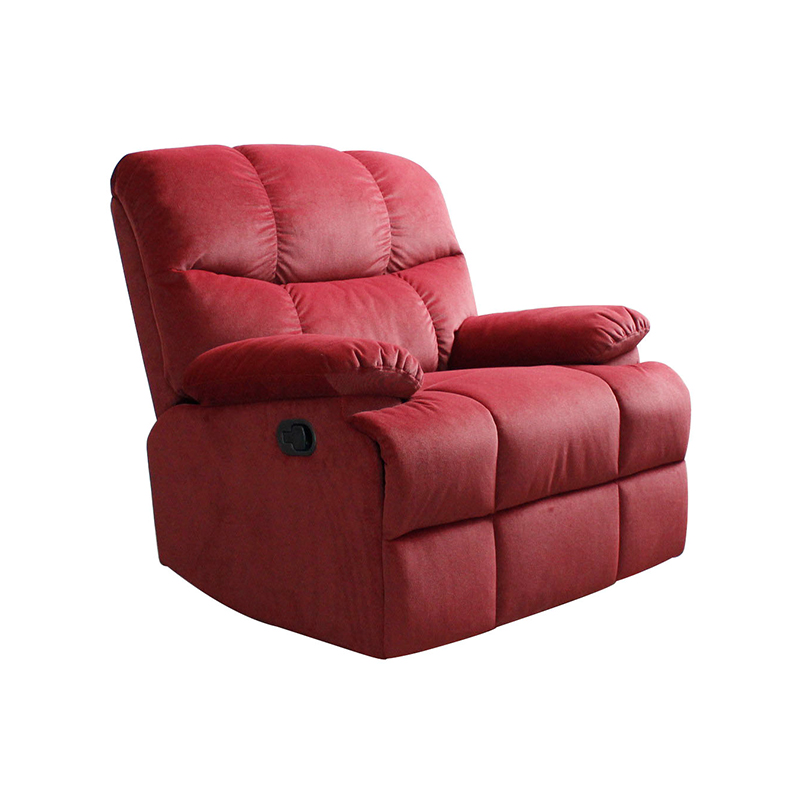 Custom Wholesale Thick Back Rest Theater Swivel Manual Single Rocker Recliner ChOffer Custom Wholesale Thick Back Rest Theater Swivel Manual Single Rocker Recliner Chair Sofa for Living Room, Anji Hongqiang Furniture ...View Product →
There are two common paths for home theater seating: buying a few matching recliners for a private room, or ordering a full row for a larger media space or commercial screening room. Both paths benefit from knowing the exact seat dimensions and the available customization options.
A single recliner works best in a small home office or a spare-room theater where only one or two people watch. A row with two recliners and a center console works better for a couple. For a family room, a row of three or four recliners with individual cup holders feels closer to a real cinema.
If the room is narrow, avoid oversized recliners with thick wings or large side bags. They may feel luxurious, but they eat into the space needed for walkways and recline clearance. Instead, choose a more compact design with slim arms and a straight back that still offers full recline.
For a home theater project with specific color, fabric, or structural requirements, working directly with a manufacturer is the most efficient route. A furniture factory can adjust seat width, foam density, motor configuration, upholstery material, and even the bracket layout for row mounting.
When you order from a factory, ask for samples of the material and the mechanism before committing to a full run. Confirm whether the mechanism is tested for the number of reclining cycles you expect over the product’s lifetime. Also ask about the packing method. KD and foldable-back designs reduce shipping volume, which matters if you are buying several units for a theater installation.
Because the company behind this guide is an experienced seating manufacturer with an export-oriented production line, it is possible to discuss custom sizes and finishes directly with the factory rather than being limited to retail inventory.
The ideal home theater recliner is the one that passes a simple checklist: it fits the room, supports the body, operates quietly, cleans easily, and comes from a supplier you can trust.
Always test a physical sample before placing a large order. Sit in the recliner for at least fifteen minutes, recline it several times, and check the position of the headrest and lumbar support. Ask for the material’s abrasion resistance, foam density, and frame construction details. These numbers matter more than the marketing language on a spec sheet.
For a theater project with multiple seats, confirm the lead time and the terms for replacement parts. A motor or mechanism can fail after years of use, and knowing that spares are available is a practical advantage. A manufacturer with export experience will normally have a clear process for spare parts, packaging, and quality inspection before shipment.
In the end, a home theater recliner should disappear into the experience. When the film starts, you should be focused on the screen, not on a stiff seat, a noisy motor, or a chair that slowly slides away from the row. The right measurements, materials, and mechanism make that disappear. That is exactly what the ideal recliner chair for home theater use should do.

+86-13819261237

+86-572-5082270

sales@ajhqfurniture.com

Factory Building 2, No. 11, Sangang Road, Sunshine District 2, Anji Economic Development Zone, Dipu Street, Anji, Huzhou, Zhejiang, China
Copyright © 2022 Anji Hongqiang Furniture Co., Ltd.Custom Euro Style Convertible Single Functional Recliners Manufacturers



 English
 Español