


Article Directory
A PU leather recliner chair and a fabric recliner chair solve the same problem in different ways: both deliver a reclining seat built for daily comfort, but the surface material changes how each chair looks, feels, cleans, and holds up over years of use. This guide breaks down the real differences so furniture buyers, interior designers, and hospitality purchasers can match the right recliner to the right space.
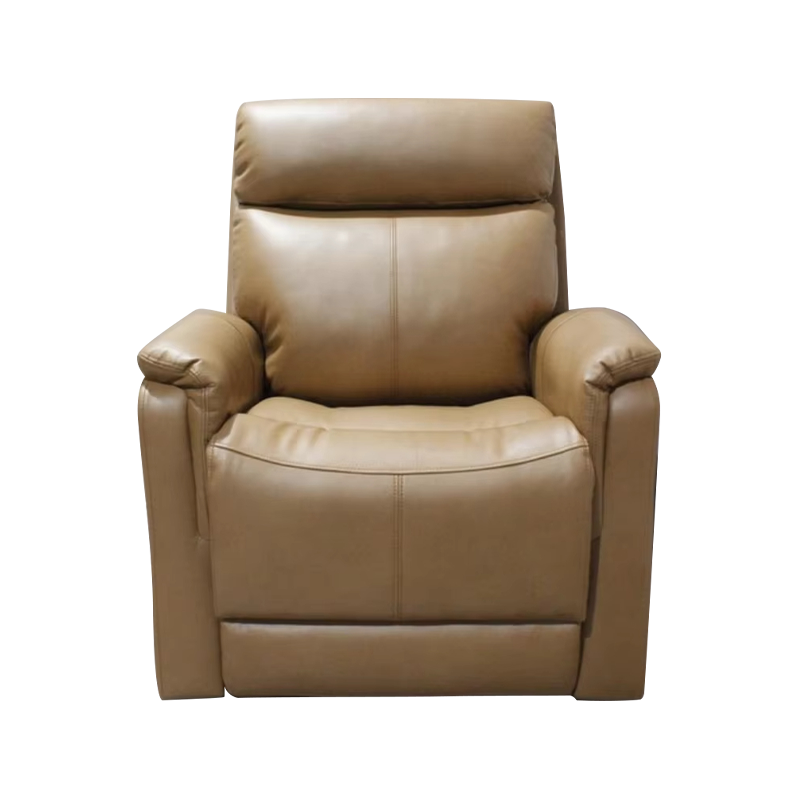
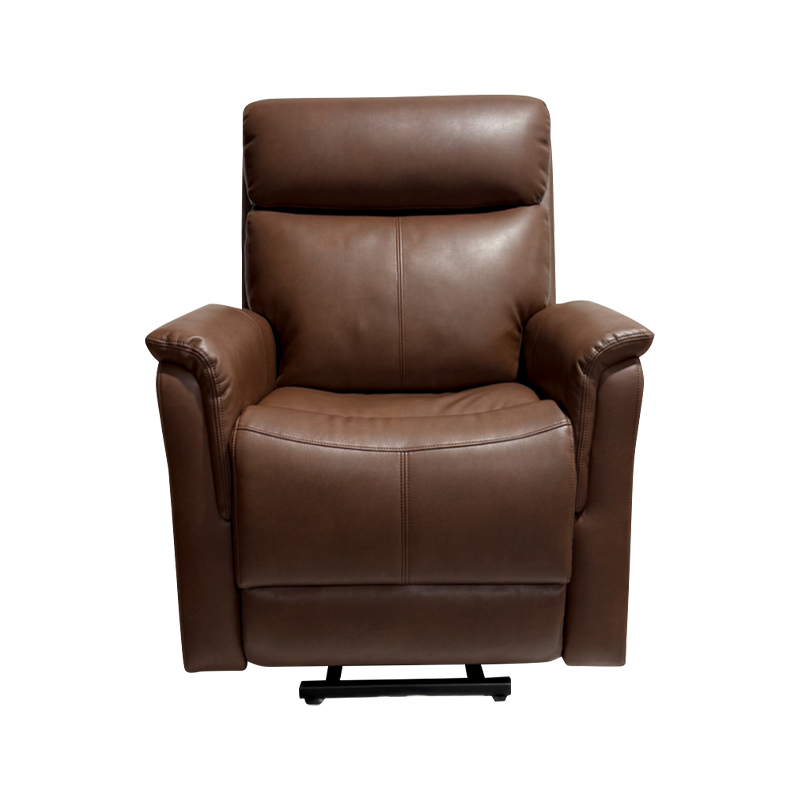
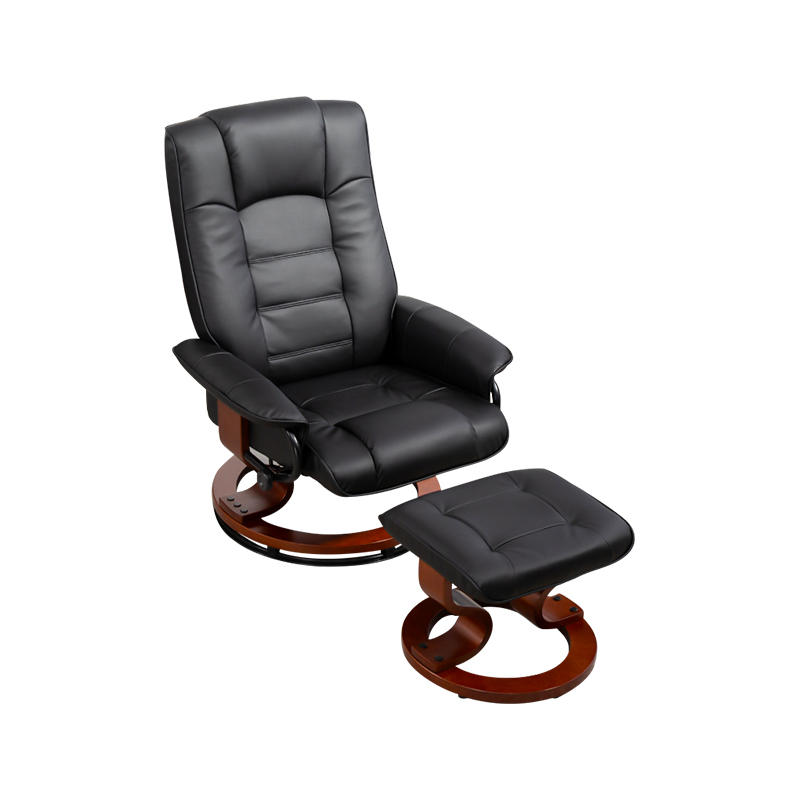
A PU leather recliner chair is a reclining seat upholstered in polyurethane leather, a synthetic material engineered to replicate the look and hand-feel of genuine hide at a fraction of the cost. Underneath the surface, most models share a common build: a steel or hardwood frame, a reclining mechanism, high-density foam cushioning, and an outer layer of PU leather stretched and stitched over the padding.
This construction gives the PU leather recliner chair a smooth, consistent surface with no natural grain variation, which is part of why it reads as clean and modern in a room. Because the material is non-porous, it resists spills and stains far better than woven textiles, making it a common choice wherever appearance and easy upkeep matter as much as comfort.
Typical placements include living rooms, home theaters, private offices, hotel lobbies, and lounge areas where a polished, low-maintenance seat is a priority.
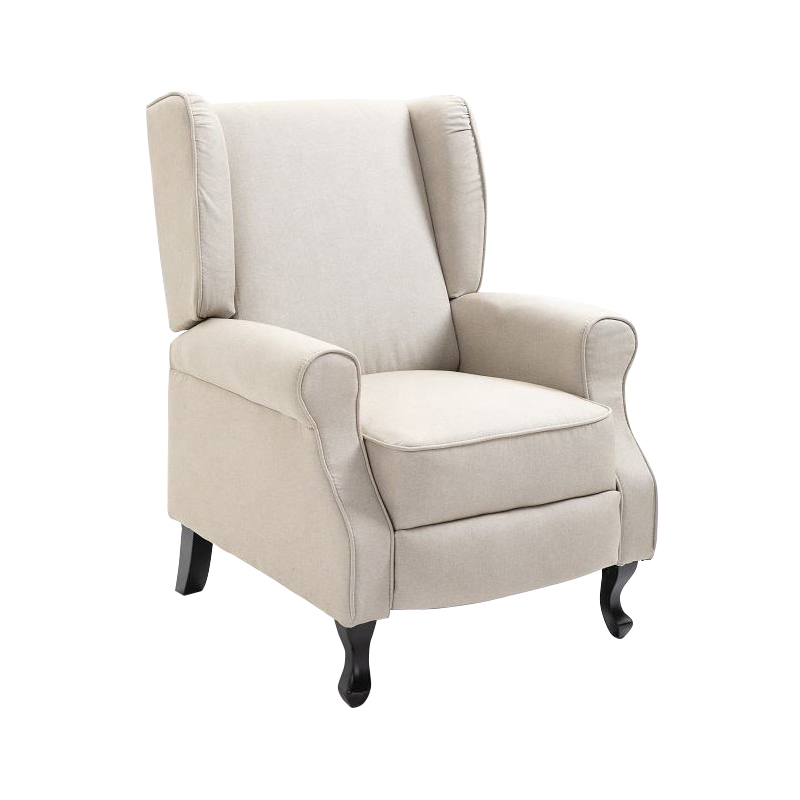
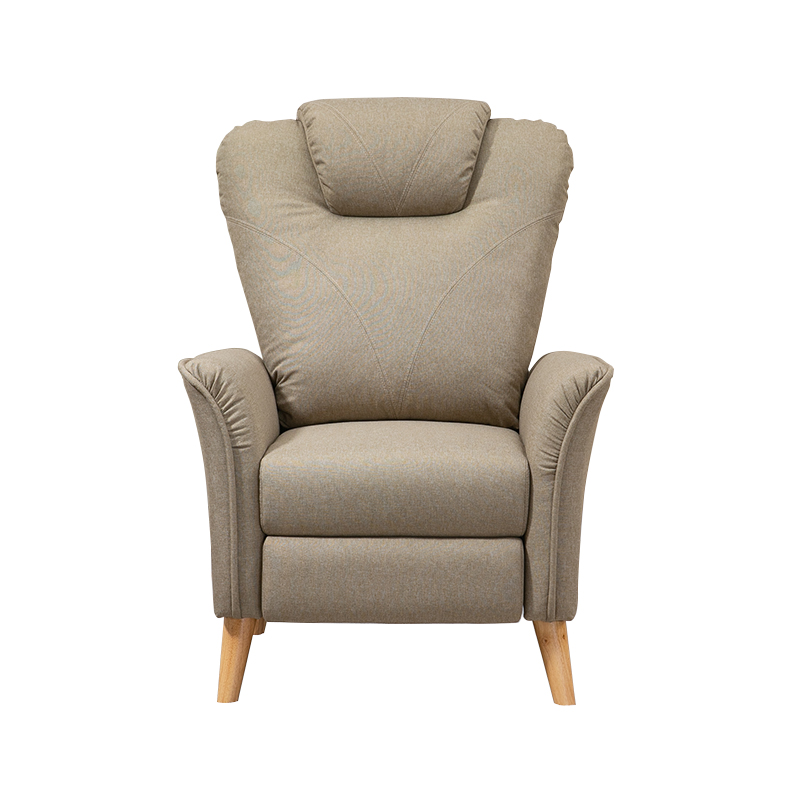
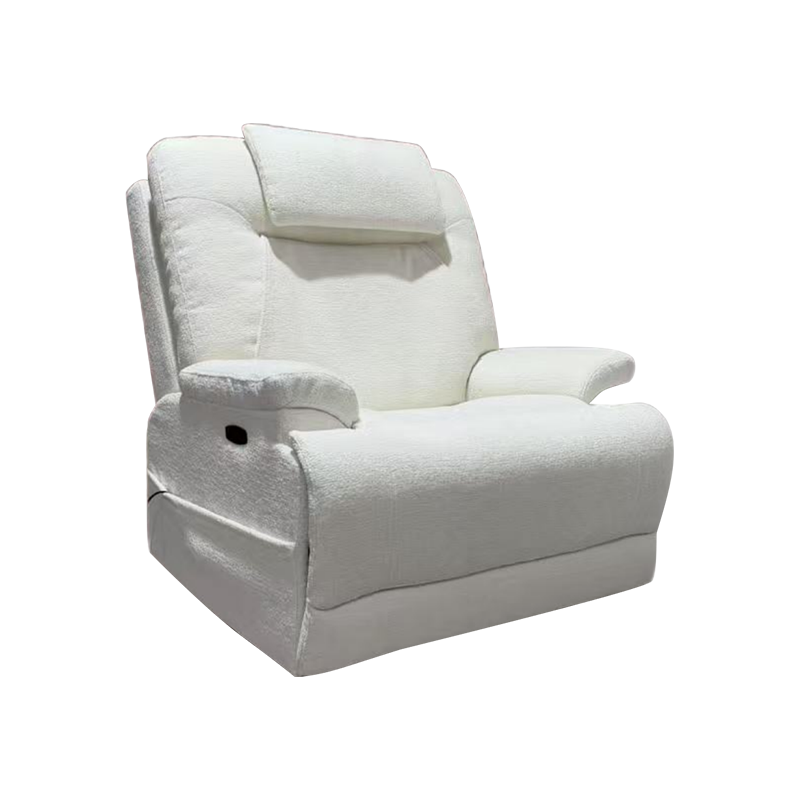
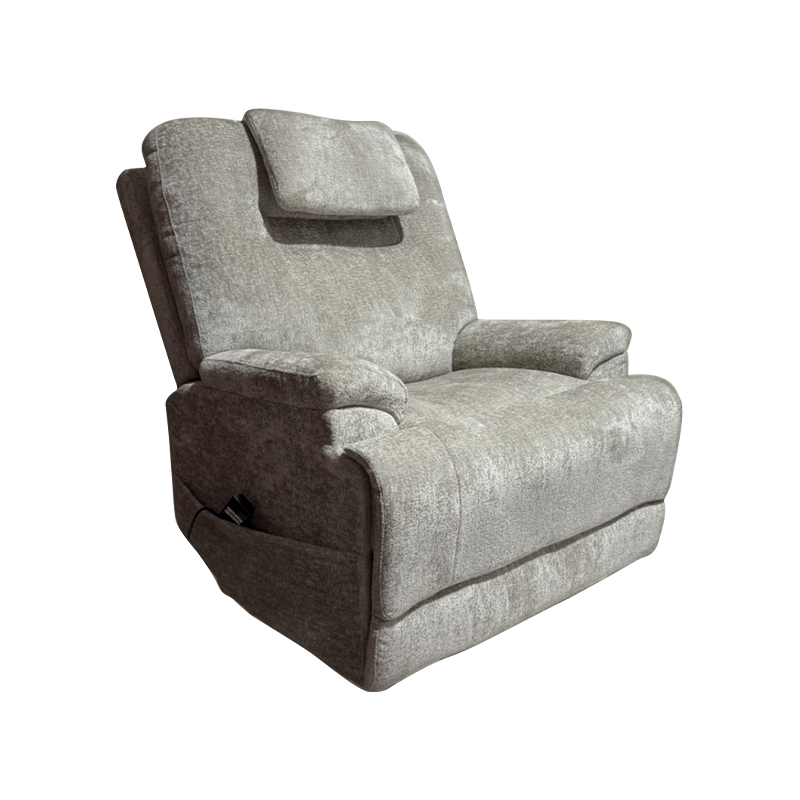
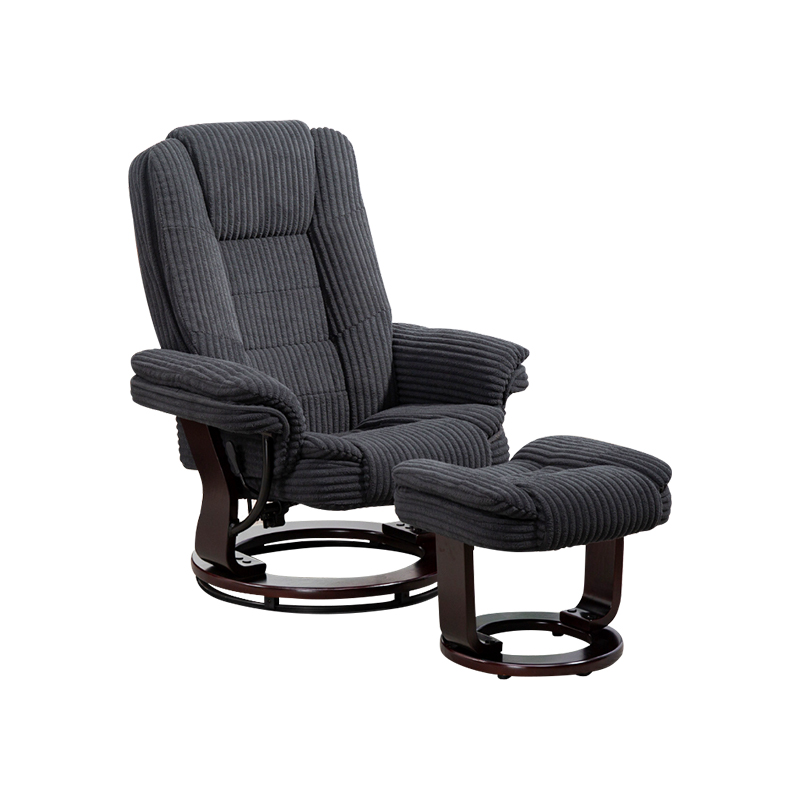
A fabric recliner chair uses woven textiles such as polyester, linen blends, or performance-weave upholstery to cover the same frame-and-mechanism structure found in most reclining seating. Instead of a synthetic film, the outer layer is a breathable cloth that carries texture, weave pattern, and a wide color range straight from the mill.
The defining trait of a fabric recliner chair is tactile warmth. The woven surface feels soft against skin, holds heat less aggressively than synthetic films, and is available in far more colors and patterns than most leather-look materials, which makes it easier to match to an existing color scheme.
The clearest way to compare a PU leather recliner chair against a fabric recliner chair is side by side across the factors buyers actually weigh: appearance, feel, cleaning, breathability, durability, and price.
| Factor | PU Leather Recliner Chair | Fabric Recliner Chair |
| Appearance | Premium, leather-like finish | Soft textile appearance |
| Surface feel | Smooth and sleek | Soft and warm |
| Cleaning | Wipes clean quickly | Needs more frequent care |
| Breathability | Lower than fabric | Generally better airflow |
| Durability | Strong abrasion resistance | Varies by fabric grade |
| Style range | Modern, luxury designs | Casual, versatile designs |
| Price position | More affordable than genuine leather | Wide price range by fabric grade |
| Best applications | Homes, hotels, offices | Homes, lounges, hospitality |
The project needs a tailored, contemporary look with minimal ongoing maintenance, such as a hotel lobby, home theater, or executive office.
Comfort, breathability, and color customization matter more than wipe-clean convenience, such as a family living room or reading nook.
Neither material is universally better. The right choice depends on design intent, expected usage frequency, cleaning resources, and the climate of the room the recliner will live in.
A well-built PU leather recliner chair earns its place in modern furniture lineups through four consistent strengths.
PU leather delivers an elegant, smooth surface that reads as tailored and current, which is why it appears so often in contemporary interiors, luxury residential projects, and commercial lobbies that want a polished first impression.
Because the material does not absorb liquid the way woven fabric does, spills sit on the surface long enough to be wiped away before they set. This single trait is why busy households, restaurants, and hotels frequently default to a leather lounge chair finish for high-traffic seating.
PU leather delivers a similar visual language to full-grain hide, along with a comfortable seated feel, at meaningfully lower material cost. That pricing gap matters most on large furniture projects where dozens or hundreds of units are specified at once, and on commercial purchasing budgets that still need a leather aesthetic.
High-quality PU leather is engineered for abrasion resistance, which helps the surface keep a consistent look through years of regular contact rather than showing early wear at the armrests or seat edge.
A crisp definition worth remembering: PU leather is a polyurethane-coated synthetic upholstery designed to mimic the look of genuine leather while offering easier cleaning and lower cost.
Fabric recliner chairs win on a different set of priorities, centered on comfort and personalization.
Woven fabric allows better air circulation than a synthetic film, which keeps the seat cooler and more comfortable during long sitting periods, especially in warm climates or heated interiors.
The textile surface has a warmer, cozier hand-feel than PU leather, which is a major reason fabric remains the default choice for everyday family seating.
Fabric mills offer a far broader range of colors, patterns, and weave textures than leather-look materials, giving designers more room to personalize a room's palette.
Fabric recliner chairs fit naturally into family rooms, reading areas, and relaxation spaces where softness and warmth matter more than a polished, formal appearance.
The right upholstery choice shifts depending on where the chair will live and how it will be used.
A PU leather recliner chair brings a modern, low-maintenance appearance to a living room, while a fabric recliner chair leans into a cozier, more casual atmosphere.
PU leather suits premium entertainment spaces where easy cleaning matters between sessions, while fabric adds soft comfort that some viewers prefer during long movie sessions.
PU leather offers a professional appearance and easier maintenance across large room counts, which is why so many recliner chair manufacturer catalogs list it as the default hospitality finish, while fabric allows more customized design options for boutique properties.
PU leather projects an elegant, business-appropriate style, while fabric creates a more relaxed atmosphere suited to informal waiting areas.
Maintenance routines diverge sharply between the two materials, and that difference often decides the final purchase for commercial buyers.
This simple daily maintenance routine is a major reason PU leather recliner chairs remain popular for commercial and hospitality furniture.
Four factors consistently decide the outcome for buyers evaluating an upholstered recliner chair purchase.
PU leather fits modern, luxury, and minimalist interiors, while fabric fits cozy, traditional, and casual spaces.
Daily relaxation, commercial use, and occasional use all place different wear demands on the upholstery.
PU leather needs minimal upkeep, while fabric requires more consistent cleaning attention.
Material cost, production requirements, and any customization needs will shape the final price per unit, especially on bulk or project orders.
A push back recliner chair reclines through manual body pressure rather than a lever or motor, and that simplicity is driving its growing popularity across residential and commercial projects alike.
Push back mechanisms need no electrical connection, which gives buyers more flexible placement options and removes a common installation constraint in modern recliner furniture.
The reclining adjustment happens through natural body movement, giving the chair a user-friendly mechanism with no controls to learn.
Push back models fit apartments, living rooms, offices, and hospitality projects equally well, whether upholstered in PU leather or fabric.
Recliner chair manufacturer catalogs are shifting toward a few consistent directions as buyer expectations evolve.
Improved body support and better posture-focused design are becoming standard expectations rather than premium add-ons.
Swivel function, reclining systems, and built-in storage features are increasingly combined into a single seat.
Eco-friendly fabrics and improved synthetic materials are entering mainstream production as sustainability becomes a purchasing factor.
Custom colors, project-based designs, and OEM production are increasingly common as buyers work directly with a custom furniture supplier to match specific interiors.
 |
 |
Yes. High-quality PU leather is built for abrasion resistance and holds a consistent appearance through years of regular use when cared for with routine wiping and basic surface protection.
Neither material is universally better. PU leather wins on appearance and easy cleaning, while fabric wins on breathability and softness, so the right pick depends on the room and usage pattern.
Fabric offers a softer, warmer touch and better airflow, which many people find more comfortable for long, everyday lounging sessions.
A PU leather recliner chair is generally easier to clean because its non-porous surface can be wiped down quickly without absorbing spills.
Yes. Their professional appearance and low-maintenance surface make them a common choice for hotel lobbies, guest rooms, and other hospitality furniture projects.
With proper care, a well-built recliner chair from a reputable recliner chair manufacturer can perform reliably for many years, with the upholstery choice being one of the biggest factors in long-term appearance.

+86-13819261237

+86-572-5082270

sales@ajhqfurniture.com

Factory Building 2, No. 11, Sangang Road, Sunshine District 2, Anji Economic Development Zone, Dipu Street, Anji, Huzhou, Zhejiang, China
Copyright © 2022 Anji Hongqiang Furniture Co., Ltd.Custom Euro Style Convertible Single Functional Recliners Manufacturers



 English
 Español