


Article Directory
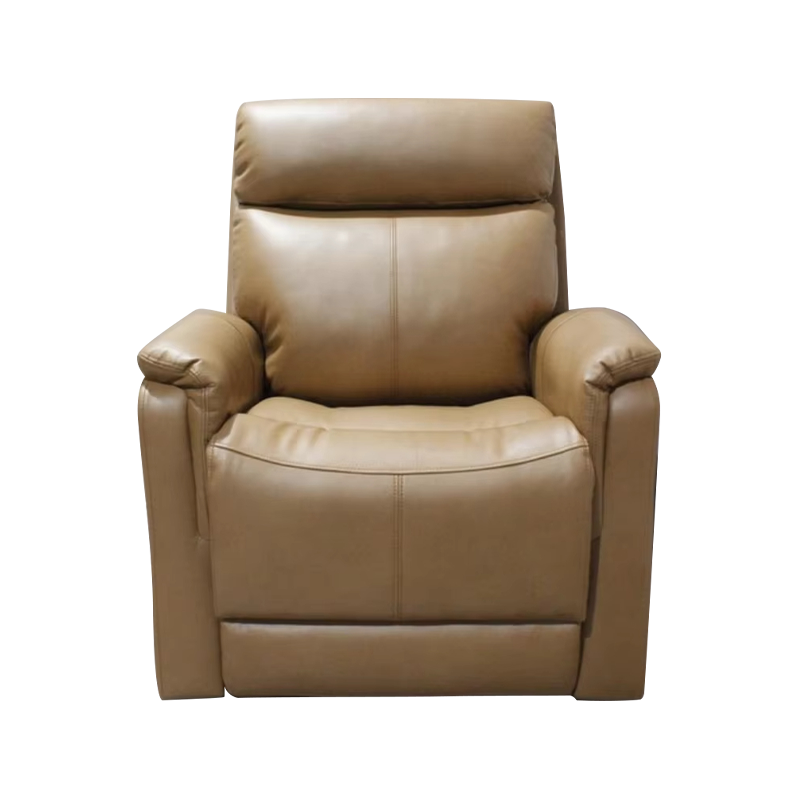
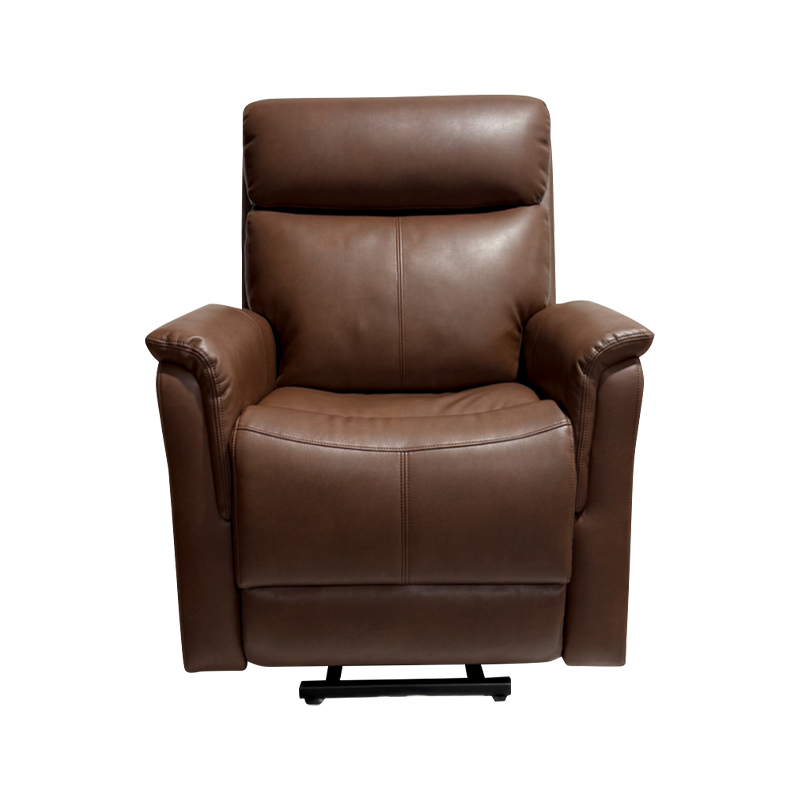
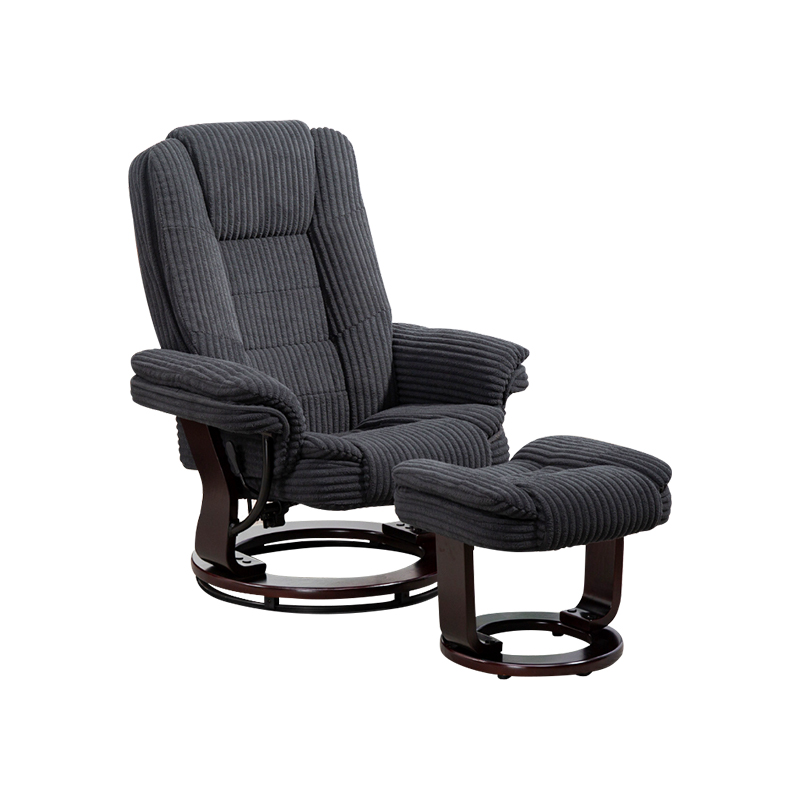
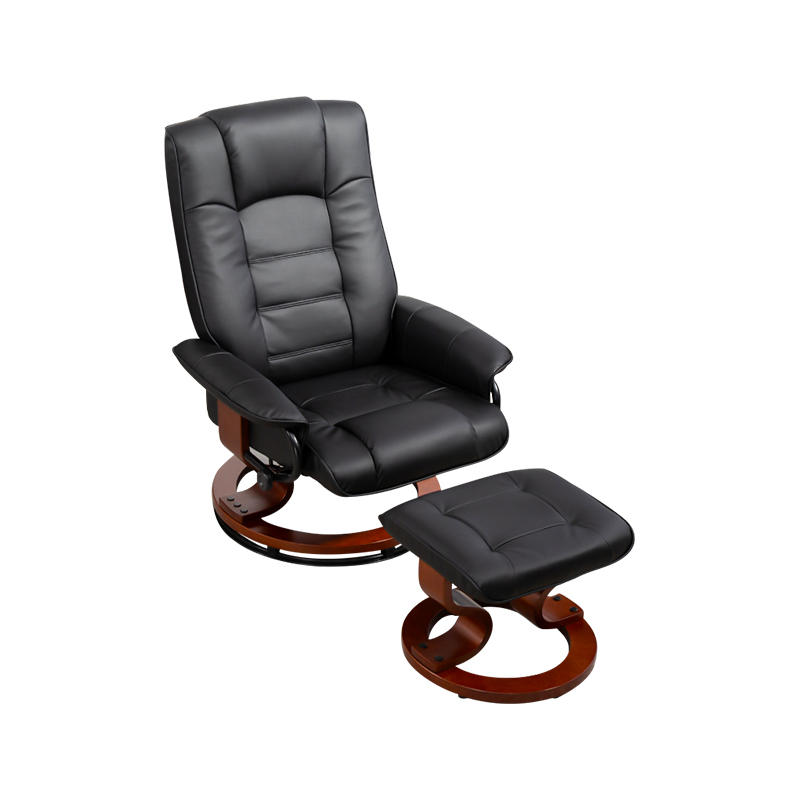
A single sofa chair solves a problem full-size sofas can't: comfortable, individual seating that fits almost anywhere. Compact enough for a reading corner yet substantial enough to anchor a room, it has become one of the most flexible pieces in modern furniture design, moving easily between living rooms, bedrooms, offices, and hospitality spaces.
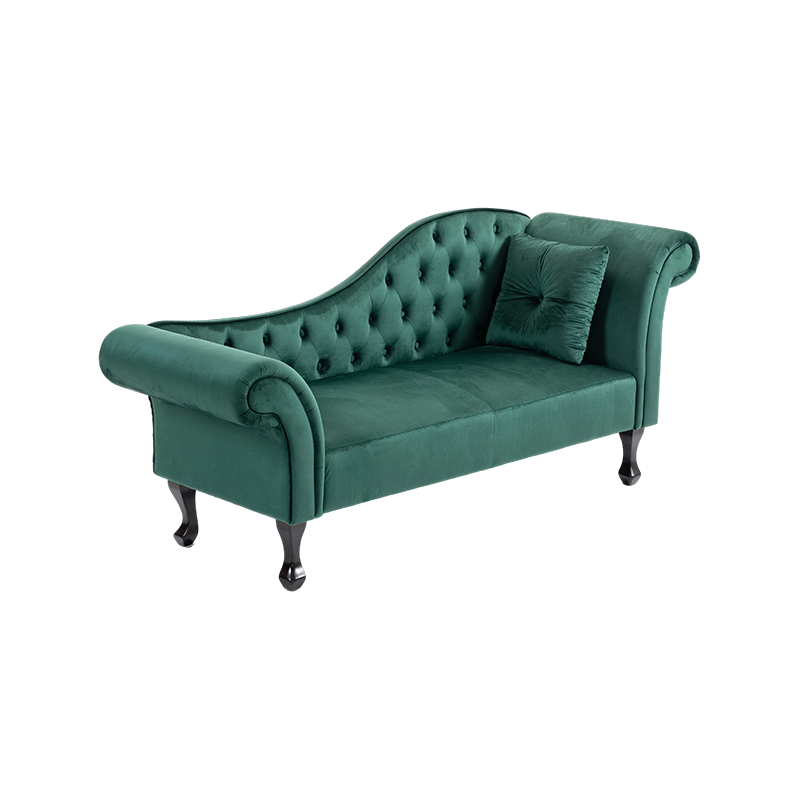
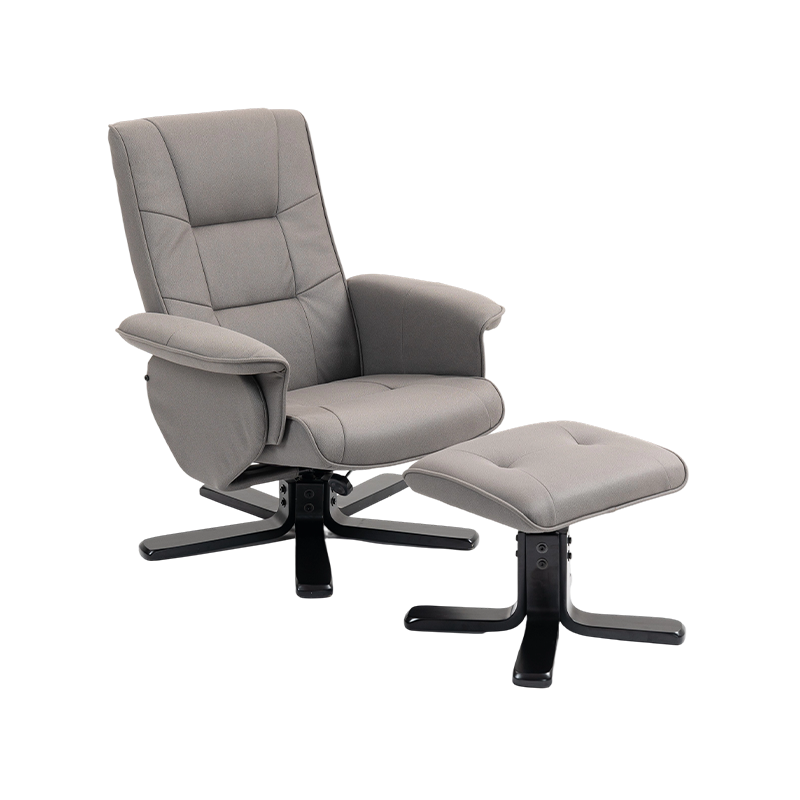
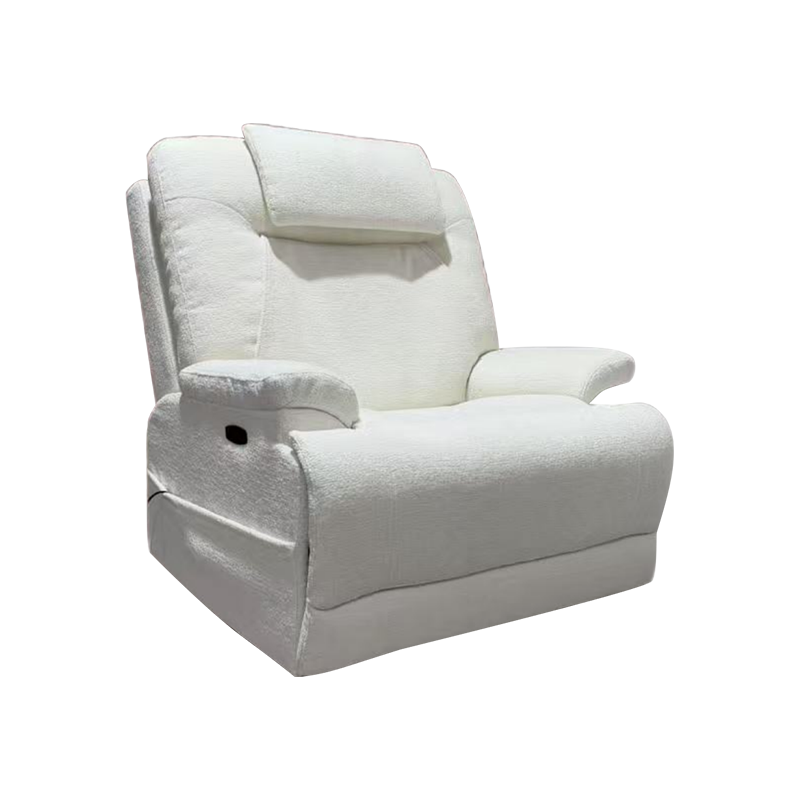
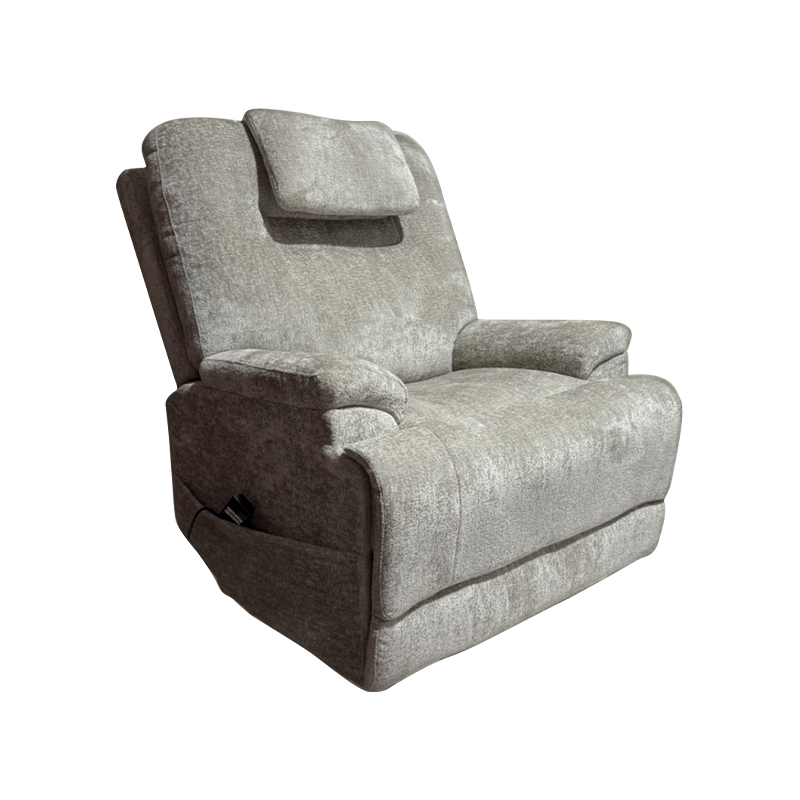
A single sofa chair pairs a solid wood or metal frame with high-density foam cushioning and a fabric, leather, or synthetic upholstery layer, finished with defined armrests and back support. Unlike a traditional sofa built for multiple people, it is designed around one person's comfort and can be repositioned as a room's layout changes.
| Feature | Single Sofa Chair | Traditional Sofa |
| Seating capacity | One person | Multiple people |
| Space requirement | Compact | Larger |
| Placement flexibility | Easy to move | Usually fixed |
| Main use | Personal relaxation | Shared seating |
Beyond looking good, a well-made single sofa chair earns its place in a room through practical advantages that larger seating can't match.
Fits apartments and small rooms without crowding the layout.
Supports long sitting periods for reading and relaxing.
Repositions instantly as a room's layout changes.
Available in a wide range of fabrics, colors, and forms.
Chair construction and upholstery vary widely depending on the look and function a space calls for:
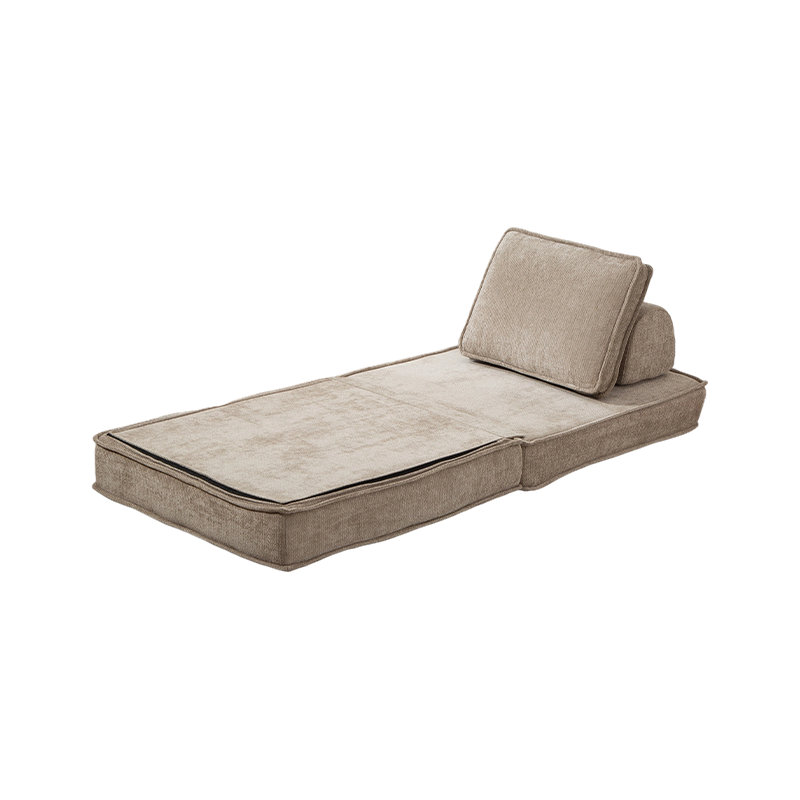
Soft texture with wide color choices for casual interiors.
Premium appearance with an easy-to-clean, durable surface.
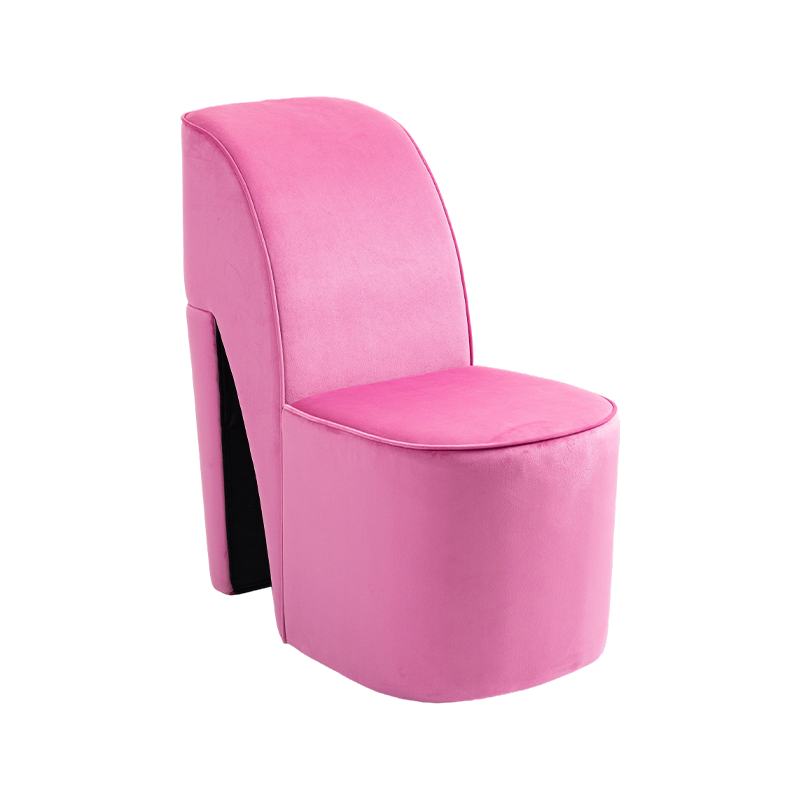
Bold design chosen to enhance the room's visual style.
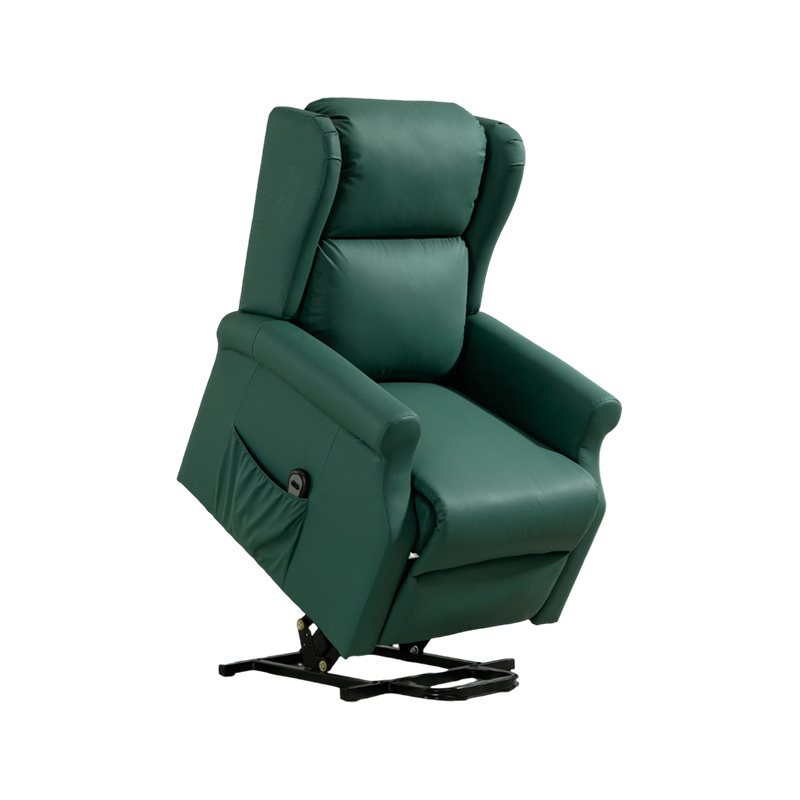
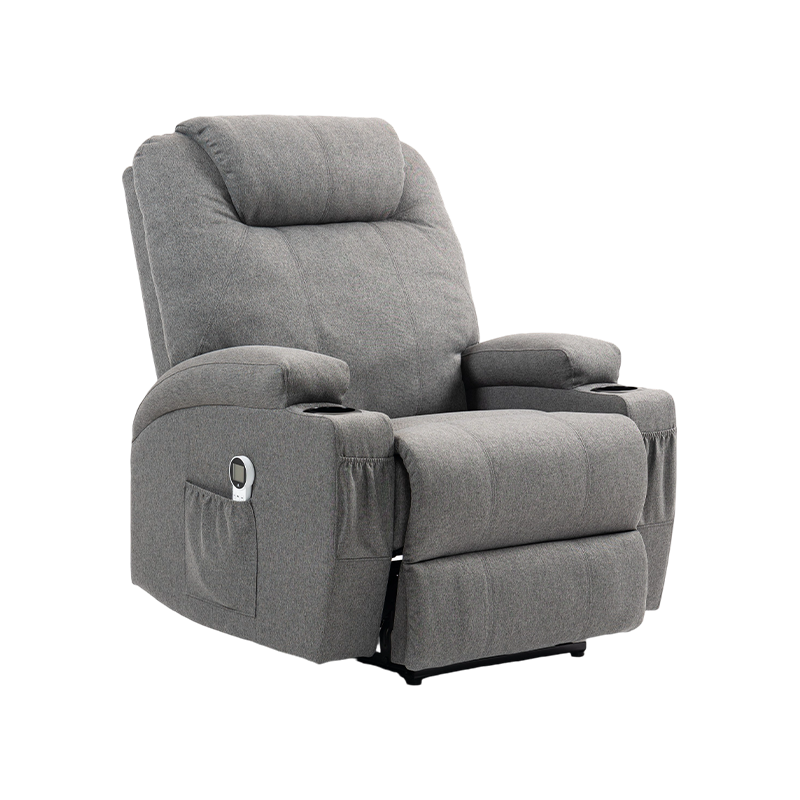
Adjustable positioning built for dedicated relaxation.
Simple lines suited to modern homes and offices.
Deep seating designed purely for comfort.
Living rooms use them for reading corners and extra seating without the bulk of another full sofa. Bedrooms place them as a quiet dressing or rest spot. Offices and reception areas rely on them for waiting areas and executive seating, while hotels, cafes, and restaurants use them to furnish lobbies, guest lounges, and private dining nooks with a more residential feel.
Start with purpose: a reading chair prioritizes cushion depth and backrest angle, while a reception chair prioritizes durability and easy cleaning. Measure the room before choosing dimensions, check upholstery against expected usage frequency, and match the frame style and fabric tone to the room's existing design language, whether modern, Nordic, classic, or industrial.

+86-13819261237

+86-572-5082270

sales@ajhqfurniture.com

Factory Building 2, No. 11, Sangang Road, Sunshine District 2, Anji Economic Development Zone, Dipu Street, Anji, Huzhou, Zhejiang, China
Copyright © 2022 Anji Hongqiang Furniture Co., Ltd.Custom Euro Style Convertible Single Functional Recliners Manufacturers



 English
 Español