


Article Directory
Furniture buyers are shifting budgets toward statement seating, and the accent chair sits at the center of that shift. It solves a design problem plain sofas and dining chairs cannot: adding color, texture, and personality to a room without a full furniture overhaul.
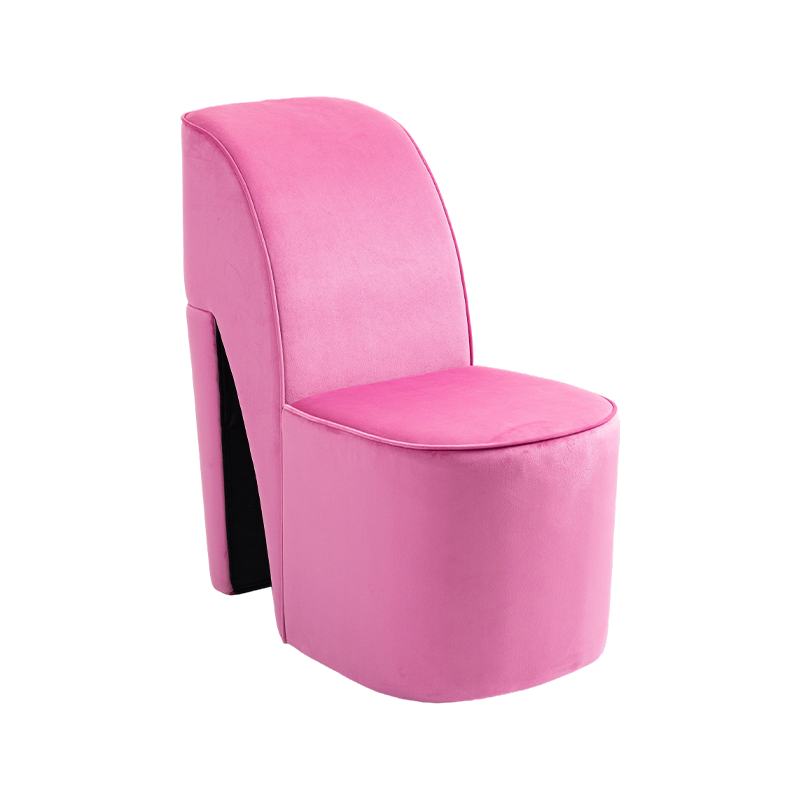
An accent chair is a standalone seat chosen primarily for visual impact rather than everyday dining or desk use. Unlike standard seating chairs built for uniform function, accent chairs are engineered around silhouette, upholstery, and proportion first, comfort second. That distinction is what allows a single chair to anchor a living room, soften a bedroom corner, or elevate a hotel suite.
Design teams typically place them near windows, beside fireplaces, or paired asymmetrically with sofas — positions where a chair is seen and experienced individually rather than as part of a matched set.
Application range is one of the strongest arguments for stocking accent chairs across a furniture catalog:
| Living rooms | Lounge seating paired asymmetrically with sofas for visual balance |
| Bedrooms | Compact relaxation seating near windows or reading corners |
| Hotels | Guest room and lobby seating that reinforces brand aesthetic |
| Offices | Reception and breakout seating that softens commercial interiors |
| Restaurants | Feature seating in lounge and waiting areas |
Frame construction typically relies on hardwood or powder-coated metal for structural durability, while cushioning combines high-density foam with supportive padding layers to balance visual softness with long-term shape retention.
| Accent Chair | Statement piece, compact, style-first | Living rooms, bedrooms, hospitality |
| Armchair | Full arm support, everyday comfort | Family rooms, home offices |
| Lounge Chair | Reclined posture, extended relaxation | Reading nooks, spas, suites |
Furniture buyers evaluating an accent chair program for a project should weigh interior style compatibility, ergonomic comfort for actual use time, upholstery durability under expected foot traffic, and available customization for frame, fabric, and finish. Space planning matters just as much as aesthetics — a chair that photographs well but blocks circulation paths creates problems after installation, not before.
The strongest accent chair sourcing decisions balance three things: a silhouette that matches the room's design language, a material spec that survives its actual use case, and a scale that respects the space around it. Projects that get this combination right turn a single chair into the piece a room is remembered for.

+86-13819261237

+86-572-5082270

sales@ajhqfurniture.com

Factory Building 2, No. 11, Sangang Road, Sunshine District 2, Anji Economic Development Zone, Dipu Street, Anji, Huzhou, Zhejiang, China
Copyright © 2022 Anji Hongqiang Furniture Co., Ltd.Custom Euro Style Convertible Single Functional Recliners Manufacturers



 English
 Español