


Article Directory
In the field of ergonomic furniture engineering, the distribution of body weight and the mitigation of spinal disc pressure are the primary metrics for long-term health. A zero gravity recliner chair is designed based on NASA's Neutral Body Position (NBP), which distributes force evenly across the musculoskeletal system. This technical evaluation compares the lumbar support and pressure-mapping data of zero gravity systems against traditional recliner mechanisms to determine their efficacy in clinical and residential settings.
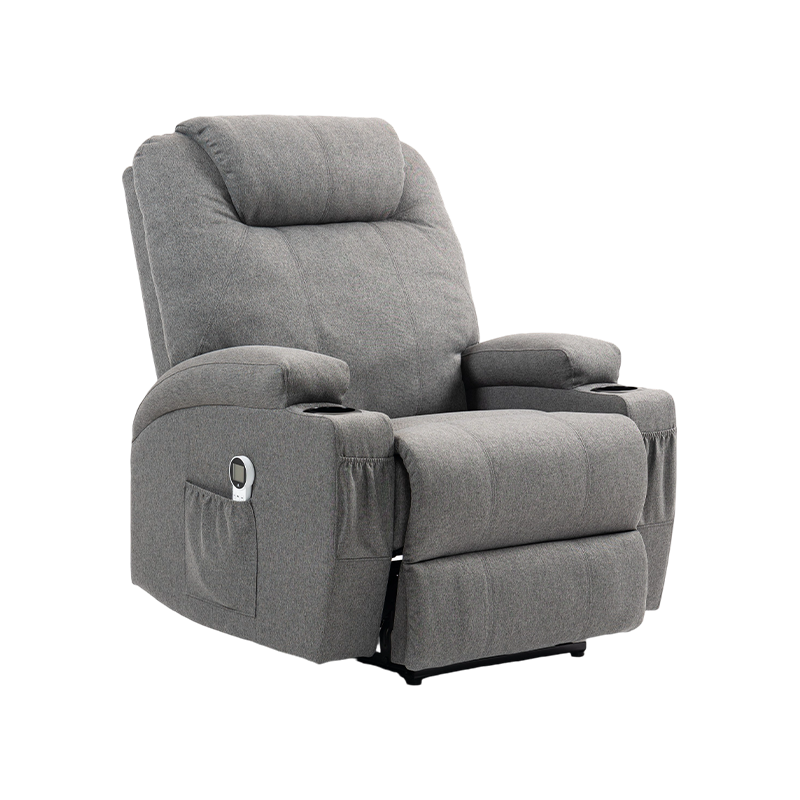
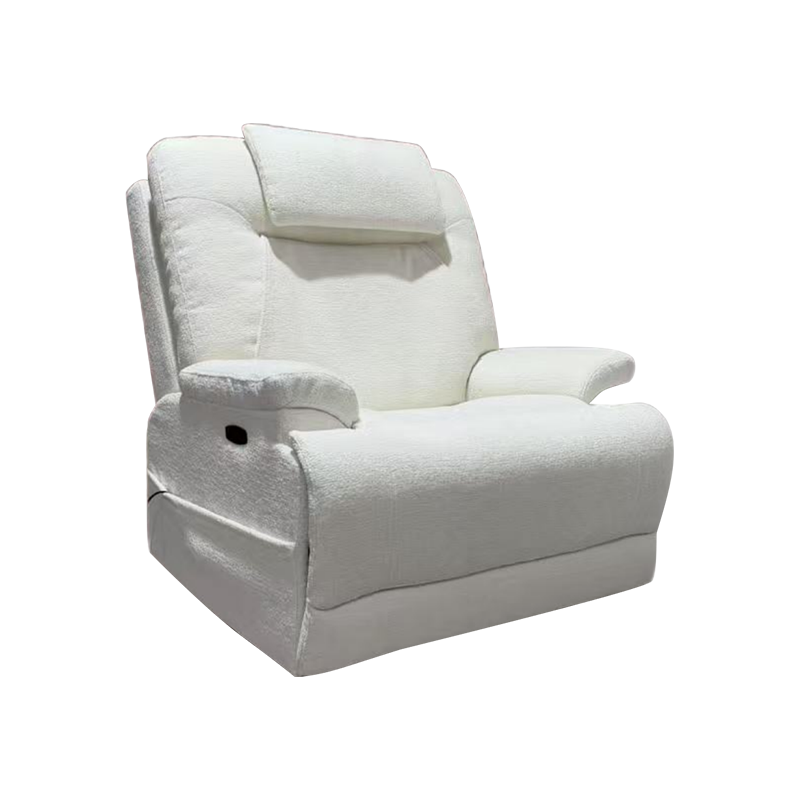
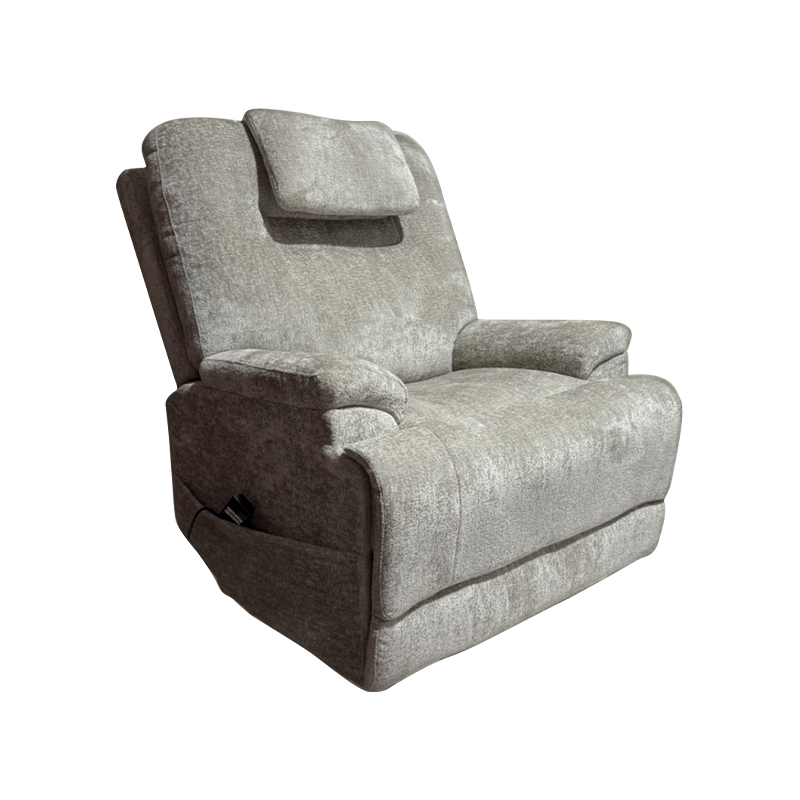
The core advantage of a zero gravity recliner chair indoor model lies in its ability to elevate the lower extremities above the heart level, typically at an angle of 127 degrees. This specific geometry reduces the gravitational load on the vertebrae. When analyzing zero gravity vs traditional recliner spinal pressure, standard recliners often fail to maintain the natural S-curve of the spine, leading to "posterior pelvic tilt." In contrast, a well-engineered zero gravity system utilizes high-density resilient foam for lumbar support to ensure that the L1-L5 vertebrae remain in a neutral state.
Anji Hongqiang Furniture Co., Ltd., a manufacturer with 12 years of export expertise located in Zhejiang Province, integrates advanced production lines to calibrate these angles precisely. By utilizing customizable recliner chair structures, the ergonomic output is optimized to prevent disc compression. The following data highlights the thoracic and lumbar load variances:
| Position Type | Spinal Disc Pressure (Approx. %) | Venous Return Efficiency |
| Upright Sitting (90 degrees) | 100% (Baseline) | Standard |
| Traditional Reclined | 75% - 85% | Improved |
| Zero Gravity Position | 40% - 50% | Optimal (Heart-Level Feet) |
The structural integrity of an indoor zero gravity chair for back pain depends on the gauge of the steel frame and the precision of the reclining linkage. A heavy-duty zero gravity recliner mechanism must withstand repetitive cycling without developing "mechanical play" or noise. Anji Hongqiang Furniture Co., Ltd. operates a 10,000 square meter factory where power recliner chair motor durability and manual linkage systems are tested against international load-bearing standards to ensure safety for users in over 500 countries.
The "feel" of a recliner is a function of its upholstery and padding density. While memory foam zero gravity chairs provide excellent contouring, they must be paired with high-resiliency (HR) base foams to prevent "bottoming out." Anji Hongqiang Furniture Co., Ltd. supports the design of specialized sponges and structures to enhance long-term spinal health with zero gravity seating. By incorporating optional massage functions, the system can further stimulate blood flow, reducing muscle stiffness in the lumbar and cervical regions.
Beyond the spine, the benefits of zero gravity recliners for circulation are significant. In the NBP position, the heart works less to pump blood to the lower extremities, which reduces edema in the legs and feet. For B2B furniture procurement, verifying the transition speed and the stability of the footrest is critical. An ergonomic zero gravity recliner chair must provide a stable platform that doesn't oscillate during weight shifts, as instability can trigger micro-contractions in the core muscles, negating the spinal decompression benefits.
| Technical Feature | Engineering Specification | Health Benefit |
| Recline Angle | Up to 160-170 degrees | Maximum decompression |
| Massage Integration | Vibration or Shiatsu nodes | Lactic acid reduction |
| Frame Coating | Anti-corrosive powder coat | Long-term structural life |
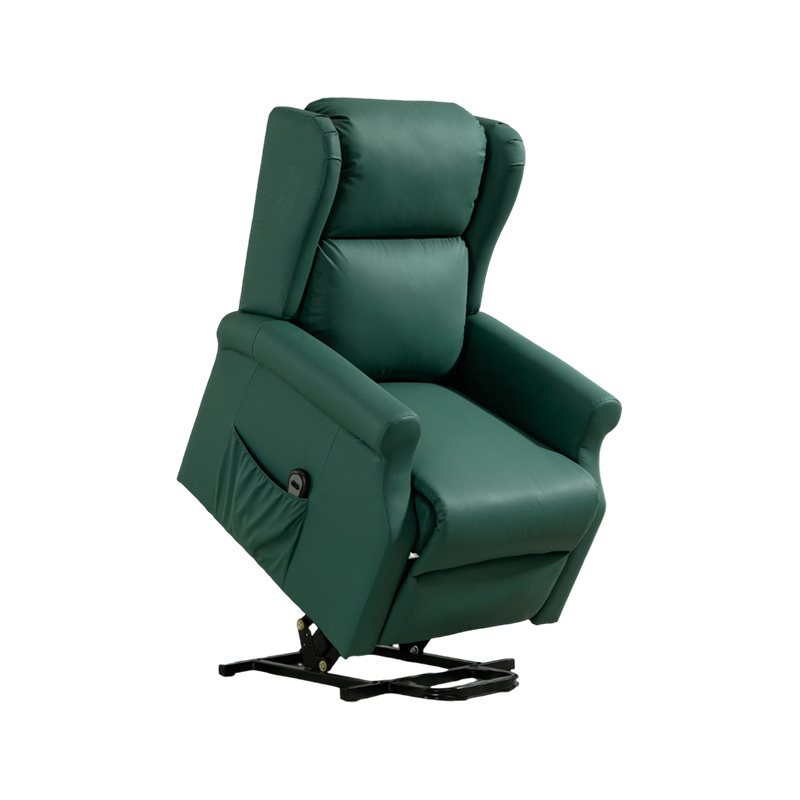
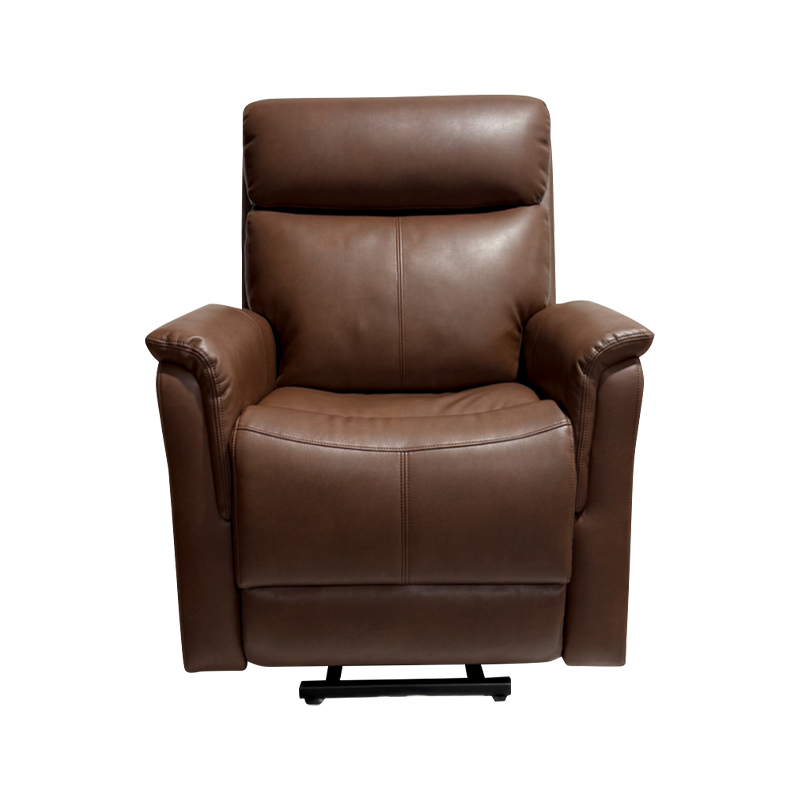
The difference between zero gravity chairs and lift chairs is functional intent. While lift chairs assist with mobility (ingress/egress), high-end zero gravity recliners focus purely on decompression and circulatory recovery. However, Anji Hongqiang Furniture Co., Ltd. manufactures lift chairs with zero gravity functions, combining mechanical assistance with therapeutic positioning to meet the diverse needs of construction projects and home decoration styles worldwide.
From an engineering perspective, the chair is designed for extended use. However, for spinal health, it is recommended to change positions every 2-3 hours to maintain joint lubrication and muscle engagement.
True zero gravity must allow the knees to be positioned slightly above the heart level. Standard recliners often only tilt the backrest without sufficient elevation of the lower chassis.
Yes, we support customized fabrics, including medical-grade antimicrobial and easy-clean polyurethane (PU) or PVC coatings that meet ISO standards for healthcare settings.
Most of our export models are designed for easy assembly, typically requiring only the attachment of the backrest to the base via a modular "KD" (Knock-Down) bracket system.
Both are safe when built to our strict management systems. Power versions offer more granular control over the angle, which can be beneficial for users with limited physical strength.

+86-13819261237

+86-572-5082270

sales@ajhqfurniture.com

Factory Building 2, No. 11, Sangang Road, Sunshine District 2, Anji Economic Development Zone, Dipu Street, Anji, Huzhou, Zhejiang, China
Copyright © 2022 Anji Hongqiang Furniture Co., Ltd.Custom Euro Style Convertible Single Functional Recliners Manufacturers



 English
 Español