


Article Directory
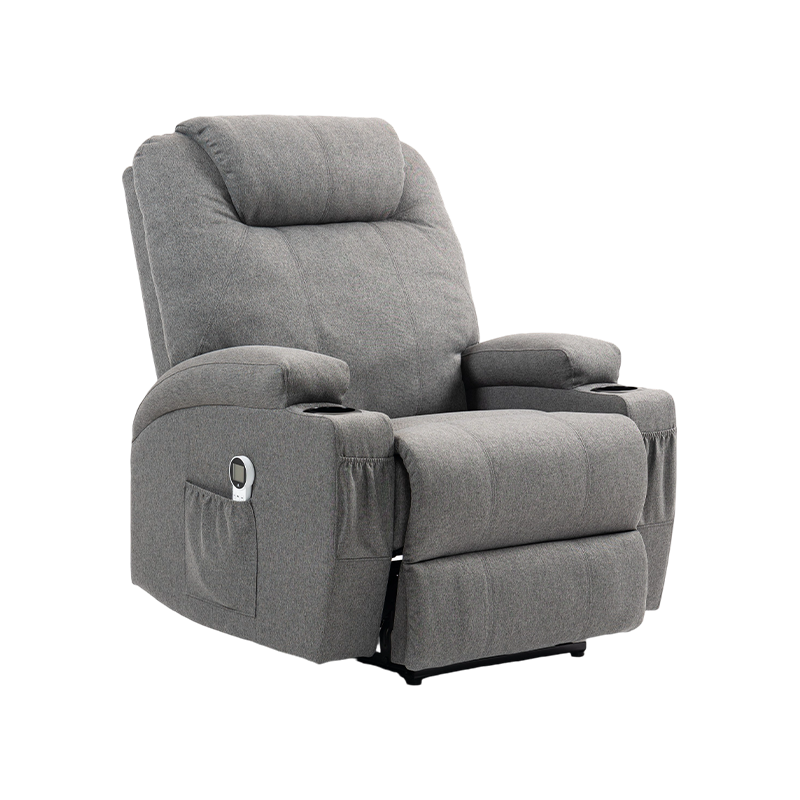
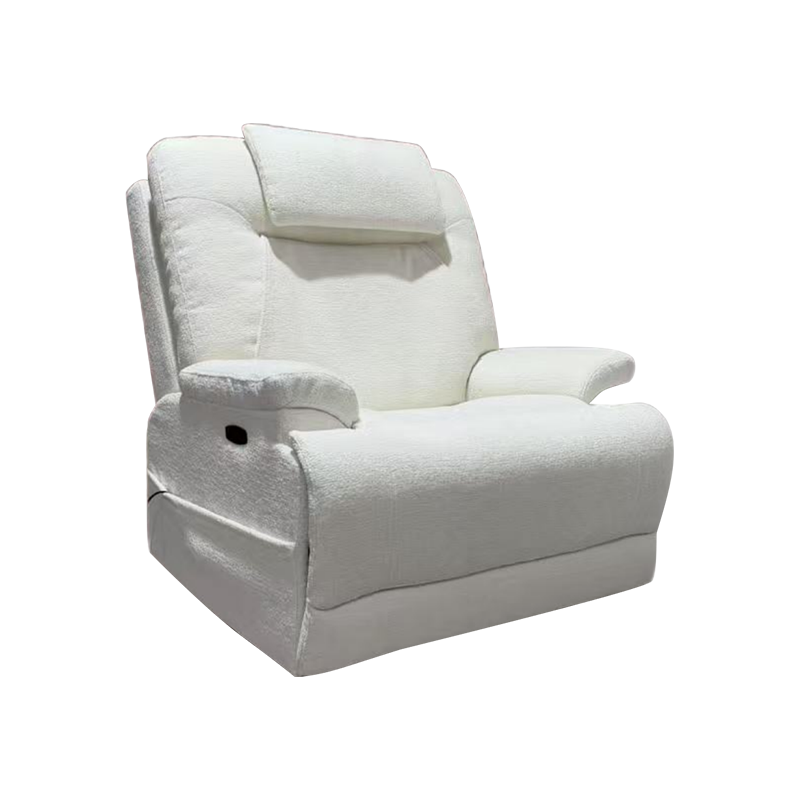
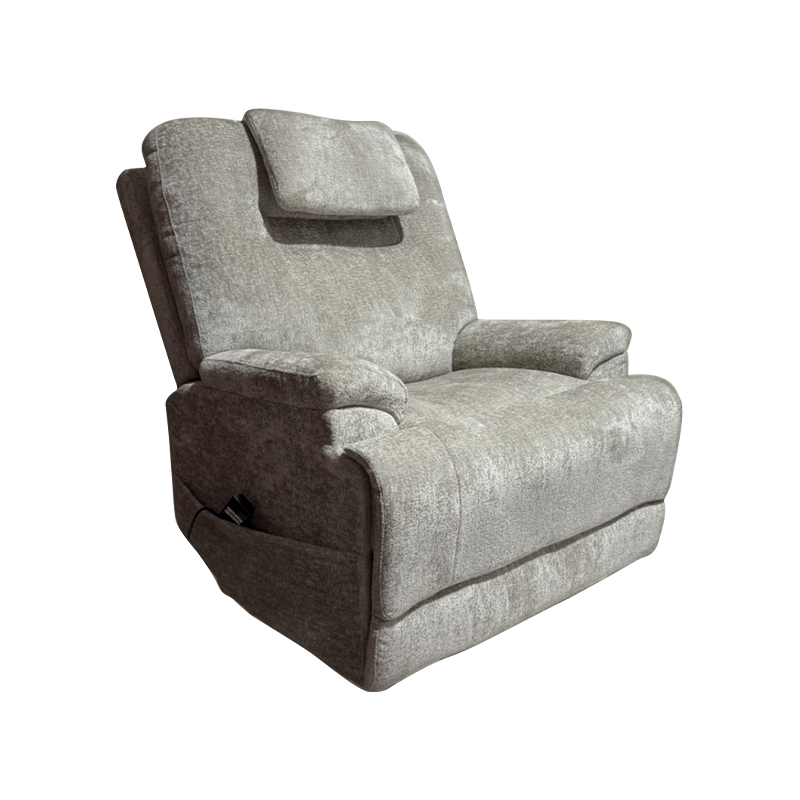
An electric recliner chair replaces the physical lever-and-push mechanism of manual recliners with a DC motor system that adjusts backrest angle, footrest extension, and — in advanced models — lumbar support and headrest position through a single wired or wireless handset. The result is infinite positional control, zero physical exertion, and consistent repeatability to the exact recline angle on every use.
Maximum recline range in zero-gravity electric recliner models — full horizontal sleeping position
Typical weight capacity of dual-motor electric recliners with steel internal frame construction
Maximum acceptable motor noise level — quality DC motors operate at 35–38 dB, quieter than conversation
Actuation rating of quality DC motors before performance degradation — equivalent to 25+ years of daily use
Electric recliner chair comfort is built on a principle that manual recliners cannot match: infinite positional adjustment without effort. A manual recliner locks into 3–5 preset positions determined by the ratchet mechanism. An electric recliner stops at any angle within its range — allowing the user to find the precise backrest angle and footrest height that eliminates pressure points specific to their body geometry, not a position averaged across users.
High-resilience foam at 45–55 kg/m3 density maintains consistent seat depth over 10+ years. Memory foam toppers at 50–80 mm depth add pressure distribution for users with hip or coccyx sensitivity. Avoid chairs specifying foam density below 40 kg/m3 — they bottom out within 18 months regardless of cover material quality.
At 130–140 degrees of recline, spinal disc pressure drops to approximately 75 N — the lowest level achievable in any seated position, per research published in Spine journal. Electric recliners allow users to hold this exact therapeutic angle for extended periods without the physical effort required to maintain position against a manual spring mechanism.
Independent footrest control — available only in dual-motor electric recliners — allows the footrest to extend without changing the backrest angle. This is clinically significant for users with edema or venous insufficiency who need leg elevation during seated activities, not only during full recline.
Genuine leather and high-grade PU covers trap surface heat during extended recline sessions. Fabric and microfibre upholstery breathes more effectively for users who recline for 2+ hours. For elderly users with circulation sensitivity, breathable fabric upholstery is the preferred specification for prolonged therapeutic recline use.
Electric recliner chair motor performance is the most critical and least visible specification in the category. The motor system determines recline speed, noise level, positional precision, load capacity, and long-term reliability — variables that cannot be assessed from upholstery quality or visual design. Two chairs at similar price points can differ by a factor of five in motor service life depending on motor specification.
A single-motor electric recliner moves the backrest and footrest simultaneously on a fixed mechanical ratio — one control moves both. A dual-motor system drives the backrest and footrest through independent actuators controlled by separate handset buttons, allowing any combination of backrest angle and footrest height independently. Dual-motor is the correct specification for therapeutic, elderly, or medical applications.
| Motor Specification | Single DC Motor | Dual DC Motor | Triple DC Motor |
| Backrest / footrest control | Linked — simultaneous only | Independent | Independent + headrest |
| Noise level | 38–44 dB | 35–40 dB | 34–38 dB |
| Typical cycle rating | 30,000–50,000 | 50,000–80,000 | 60,000–100,000 |
| USB charging port | Rare | Common | Standard |
| Zero-gravity position | Not achievable | Achievable | Achievable + programmable |
| Suitable for elderly / medical | Limited | Yes | Yes — preferred |
Electric recliner chair ergonomic support spans three physiological systems simultaneously — the spinal column, the hip joint, and peripheral circulation — in a way no static chair can address. The ability to change position without physical effort is itself an ergonomic function: sustained static posture, regardless of how well-designed the chair, compresses intervertebral discs and restricts venous return. Electric recliners enable micro-adjustments throughout the day that distribute spinal load across different segments and restore circulation to compressed tissue.
The lumbar support in an electric recliner must follow the backrest during recline — not remain fixed as the backrest angle changes. Fixed lumbar inserts lose contact with the spine at recline angles above 110 degrees. Adjustable lumbar systems that track recline maintain L3–L5 contact throughout the full recline range.
Correct hip angle in a recliner is 95–105 degrees at the neutral seated position — slightly open to reduce hip flexor tension. Seat depth must support the full thigh to within 3–4 cm of the back of the knee without popliteal compression. Electric recliners with adjustable seat depth accommodate users from 155 to 195 cm leg length correctly.
At recline angles above 130 degrees, the head requires active support — without a correctly positioned headrest, the cervical spine hyperextends under gravity. Electric recliners with motorized headrests adjust height independently, allowing users to position cervical support at the C4–C5 junction regardless of recline angle.
Leg elevation above heart level — achievable in Trendelenburg or zero-gravity positions — reduces venous pooling in the lower limbs and is clinically prescribed for users with chronic venous insufficiency, post-surgical edema, and varicose veins. Only dual or triple-motor electric recliners achieve true independent leg elevation.
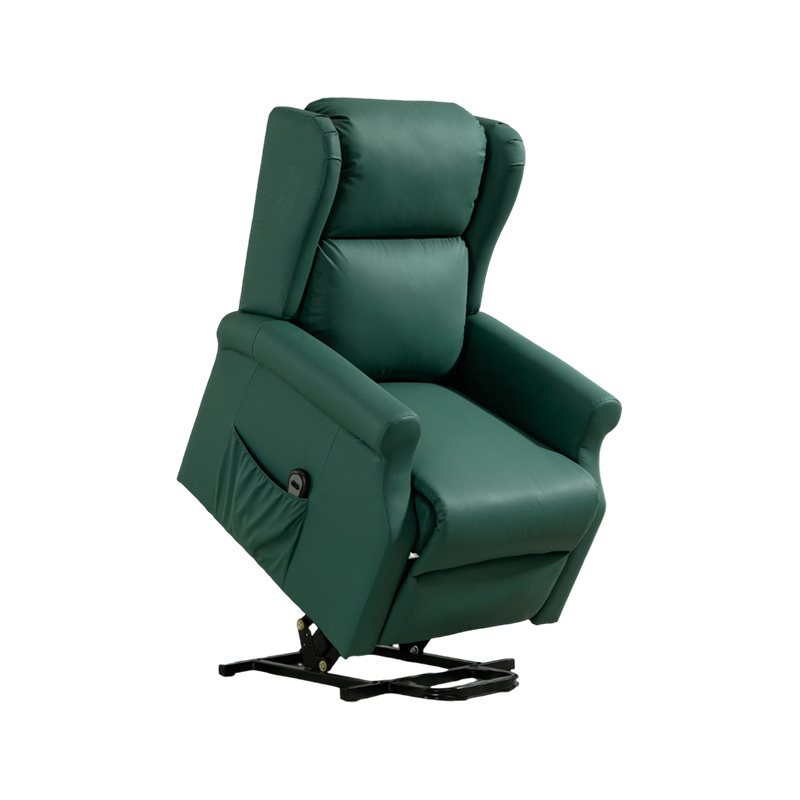
Electric recliner chair for elderly users extends beyond standard recline functionality into a separate product category: the lift recliner. A lift chair uses a heavy-duty motor to tilt the entire chair forward and upward, assisting the user from a seated to a near-standing position. This addresses the primary mobility challenge for elderly users — the transition from sitting to standing — which places the highest peak force demands on the quadriceps and hip extensors at the exact moment those muscles are weakest after prolonged sitting.
Lift chairs require a separate high-torque motor rated for the user's full body weight plus a 30% safety margin. A 90 kg user requires a lift motor rated to at least 117 kg. Under-rated lift motors stall at the critical moment of transfer — the highest injury risk scenario in elderly home care.
Large-button handsets with raised tactile markers and high-contrast labeling are non-negotiable for users with diminished grip strength or visual impairment. Wireless handsets with magnetic attachment points prevent the control from falling to the floor — a recovery task that creates fall risk for elderly users.
Electric recliners for elderly users must include a battery backup that operates all motor functions during power outages. A user unable to exit a fully reclined chair due to power failure is a medical emergency scenario. Battery backup is a safety requirement, not an optional feature.
Armrests at 20–22 cm above the seat surface provide the correct push-off height for standing transfers. Armrests below 18 cm require excessive wrist extension during transfer — a fall risk. Padded armrest caps extending to the front of the seat are preferable to tapered designs that end at the seat midpoint.
Electric recliner chair durability depends on three independent subsystems — the structural frame, the motor mechanism, and the upholstery — each with a distinct lifespan and failure mode. Long-term value is determined by the weakest of the three, which in most consumer-grade electric recliners is the motor mechanism, not the frame or fabric.
Welded steel internal frames with anti-corrosion coating are the foundation of all quality electric recliners. Specify minimum 2mm wall thickness on structural tubes. Avoid chairs with MDF or particleboard in the seat or back frame — these absorb moisture and delaminate within 5–8 years in domestic environments.
Motor lifespan correlates directly with cycle rating and operating temperature management. Motors with integrated thermal cutouts that pause operation when overheated — rather than burning out — outlast motors without thermal protection by a factor of two to three. Always verify whether the manufacturer offers motor replacement service.
Full-grain leather upholstery on a quality electric recliner lasts 15–20 years with annual conditioning. Bonded leather and standard PU begin surface cracking within 3–5 years under daily use and UV exposure. Fabric upholstery falls between — 8–12 years with basic cleaning maintenance and resistance to the UV degradation that affects leather alternatives.
Electric recliner chair vs manual recliner chair is ultimately a decision about who the chair is for and what it needs to do. Manual recliners cost less, require no power connection, and have no electrical components to service. Electric recliners cost more, require a power outlet within reach, and introduce motor complexity — but deliver positional control, effort-free adjustment, and therapeutic function that manual mechanisms cannot replicate.
For users without mobility limitations in a budget-sensitive context, a quality manual recliner is a rational choice. For anyone with reduced grip strength, hip or spinal conditions, post-surgical recovery needs, or daily recline sessions exceeding one hour, an electric recliner chair with dual-motor architecture is the correct specification — the positional precision and effort-free operation directly address the conditions that make extended seated rest therapeutic rather than merely comfortable.

+86-13819261237

+86-572-5082270

sales@ajhqfurniture.com

Factory Building 2, No. 11, Sangang Road, Sunshine District 2, Anji Economic Development Zone, Dipu Street, Anji, Huzhou, Zhejiang, China
Copyright © 2022 Anji Hongqiang Furniture Co., Ltd.Custom Euro Style Convertible Single Functional Recliners Manufacturers



 English
 Español