


Article Directory
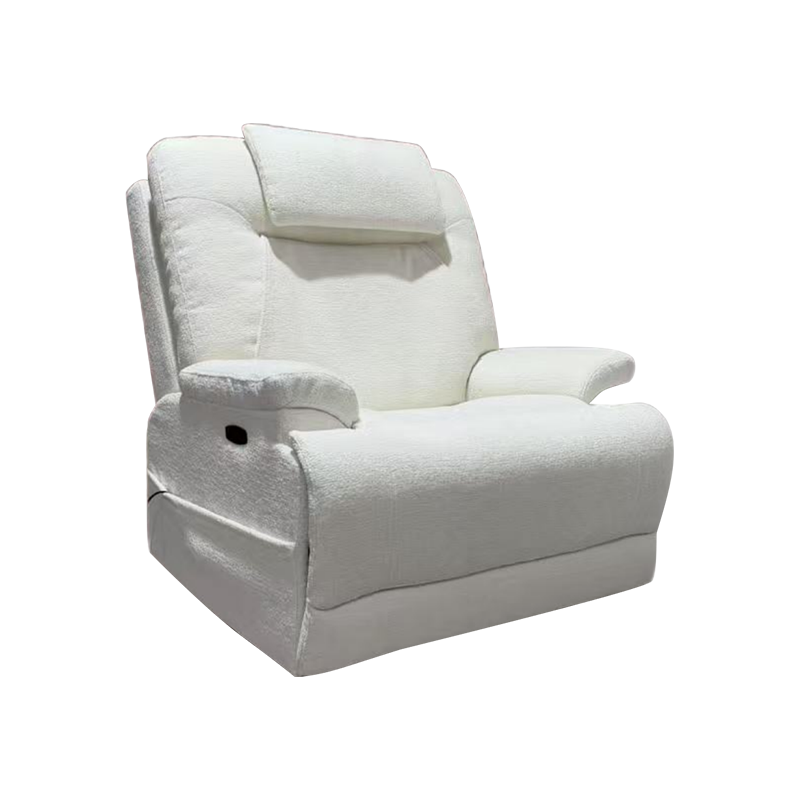
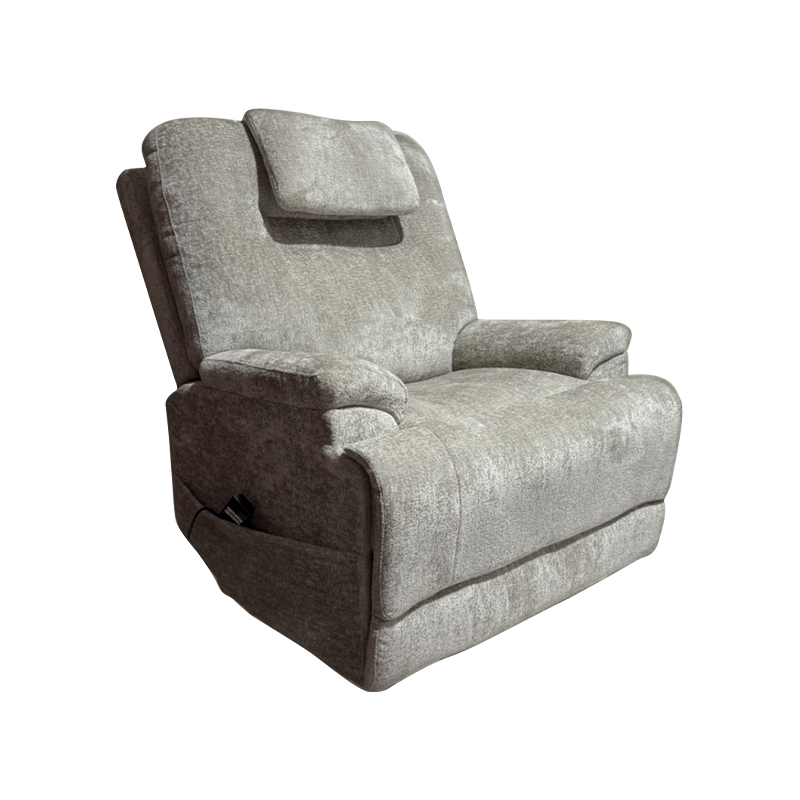
A high-durability electric recliner chair relies entirely on a counterbalanced, user-activated mechanical linkage system to change sitting profiles, operating completely independent of external electrical power. While an electric motorized variant requires continuous power to actuate, a manual system offers immediate positioning, reduced structural weight, and zero risk of electrical component burnout. This makes manual systems an exceptionally reliable choice for both high-traffic residential living spaces and heavy-duty healthcare environments.
The functionality of a manual reclining system depends on an intricate network of pivot points, tension springs, and scissor-action steel armatures. When the operator triggers the external release mechanism—either by pulling a recessed cable latch or pulling an exterior wood handle—the locking hook releases the footrest assembly.
Once unlatched, the user’s shifted center of gravity pushes backward against the backrest. This structural force overcomes the baseline resistance of the heavy-gauge seat springs, extending the footrest forward while shifting the seat base horizontally into an ergonomic recline position. Heavy-duty tension springs act as mechanical counterweights, balancing the frame against the user's body weight to prevent tipping or abrupt dropping motions.
Electric recliners cannot be operated manually because their mechanical linkages are permanently anchored to a high-torque, worm-gear linear actuator motor. The internal gear geometry creates an irreversible mechanical lock; trying to force the footrest or backrest to move by hand will bend the steel linkages or strip the drive gears.
To manage power outages without losing functionality, electric units must use secondary safety measures rather than manual adjustments. The table below details how electric and manual systems maintain operation during power interruptions:
Industrial and residential users can fix most manual chair failures without replacing the whole structural frame. Mechanical issues usually come down to broken release cables, stretched tension springs, or misaligned pivot joints.
To maximize the operational lifecycle of a manual structural mechanism, maintenance technicians must implement regular inspection schedules. Applying a premium lithium-based grease or dry PTFE spray lubricant to the high-friction steel scissor joints every twelve months prevents binding and reduces operational noise below 45 decibels. Spilling fluids into the exposed bottom linkage assembly can cause surface rust, which increases resistance and degrades the user experience during recline cycles.

+86-13819261237

+86-572-5082270

sales@ajhqfurniture.com

Factory Building 2, No. 11, Sangang Road, Sunshine District 2, Anji Economic Development Zone, Dipu Street, Anji, Huzhou, Zhejiang, China
Copyright © 2022 Anji Hongqiang Furniture Co., Ltd.Custom Euro Style Convertible Single Functional Recliners Manufacturers



 English
 Español